Rummy How-To: Perform a Legal Declaration Check
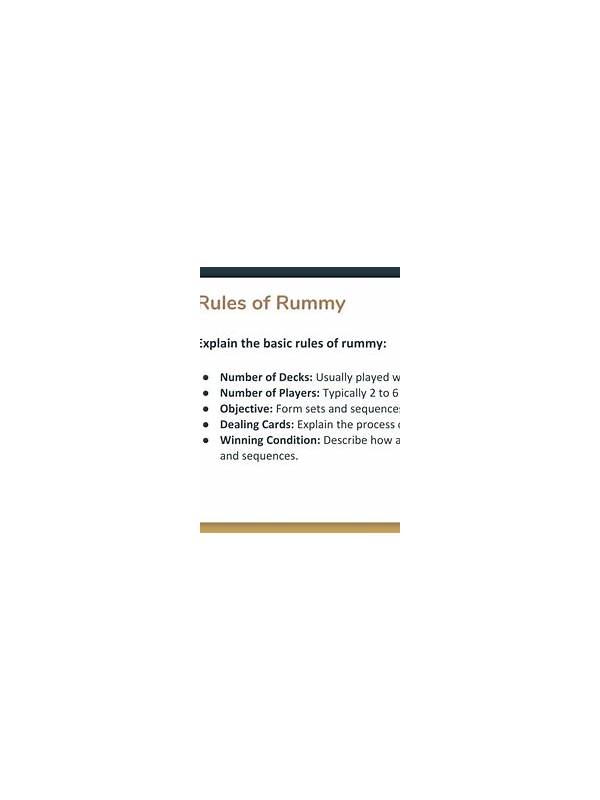
Do the check before pressing a final confirmation button. A brief pause gives you time to notice an ungrouped card, a duplicate assignment, or a wild card with no clear role. When the table is unfamiliar, this pause is also a chance to confirm scoring, minimum groups, and any local restrictions.
Write the checklist in the order you will use it: count cards, identify the required pure sequence, verify every group, then inspect leftovers. Repeating the same order reduces omissions under time pressure. If the platform has different variants, keep the table rules visible and treat familiar terminology as a prompt to verify rather than as proof.
Before declaring in any rummy format, pause for a legal check. A hand can look organized and still fail because a required pure sequence is missing, a group has the wrong size, or a wild card has been used in a prohibited way. The check should be mechanical rather than emotional.
Begin by counting every card. Make sure none is hidden behind another group in the interface and that the total matches the table’s rules. Then identify each proposed group by type: pure sequence, impure sequence, set, or ungrouped card. Give every card exactly one job in the proposed arrangement.
Verify the required pure structure first. A pure sequence generally uses consecutive cards of the same suit without a joker, but formats differ in their details. Do not rely on a general memory of rummy rules. Read the table’s rules or help page before playing, especially when using a new platform or variant.
Next inspect sets and impure sequences. Check that repeated ranks come from different suits when required, that no card is duplicated illegally, and that a wild card is standing in for a permissible missing card. If a group contains a joker, say out loud which card it represents. This makes hidden mistakes easier to notice.
Finally look for leftovers. A single attractive pair may be irrelevant if the rules require all cards to belong to valid groups. Reorder the hand visually and count again. If the app offers an automatic validation feature, treat it as a useful check but still understand the rule yourself. Technical errors can also come from slow connections or a mistaken tap, so allow a moment before confirming.
Practice this checklist away from a live table. Take sample hands, arrange them, and write why each group is legal. Speed will come from repetition. The purpose is not to rush a declaration; it is to replace last-second hope with a calm sequence of verifiable steps.
Related Post
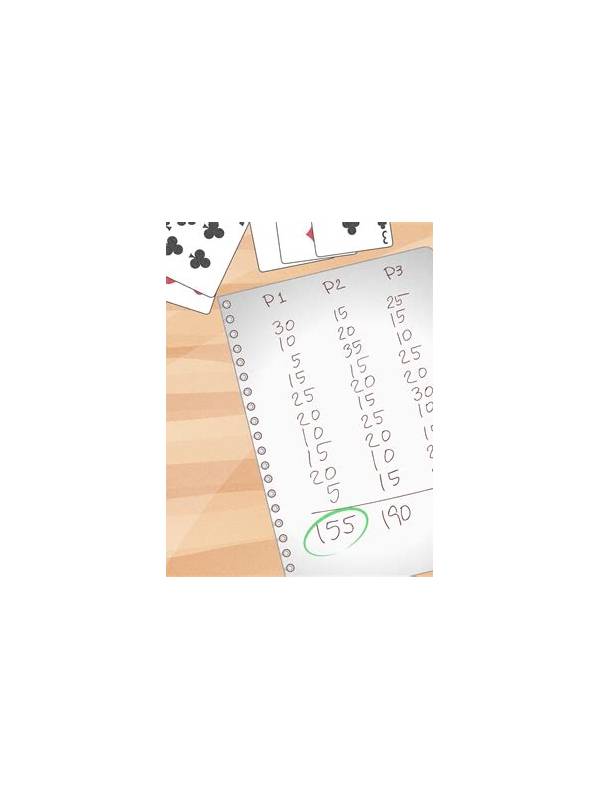
Rummy FAQ: When Should You Stop Chasing a Sequence?
A clear exit test can help you release a sequence that has become too fragile [...]
Rummy Safety: Check a Link Before You Log In
A short link check can reduce phishing risk before you enter an account password or [...]