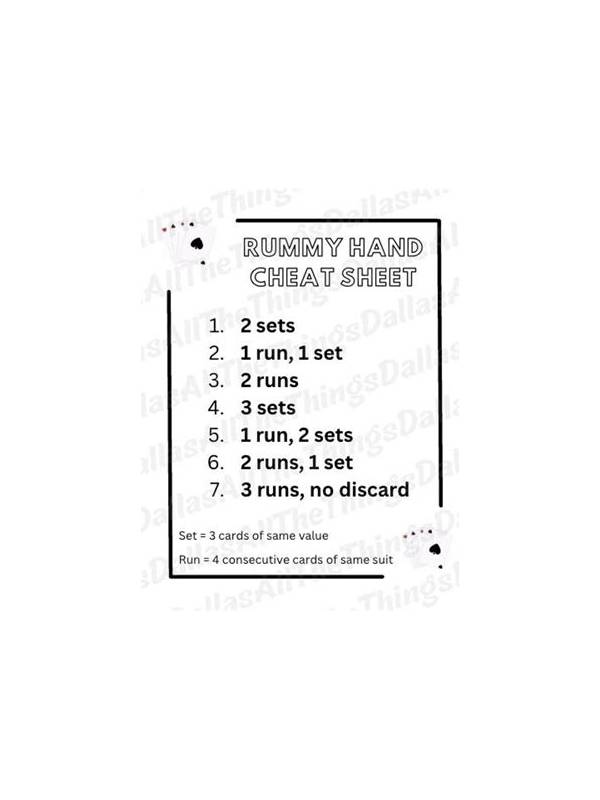
Rummy Reset Routine After a Difficult Hand
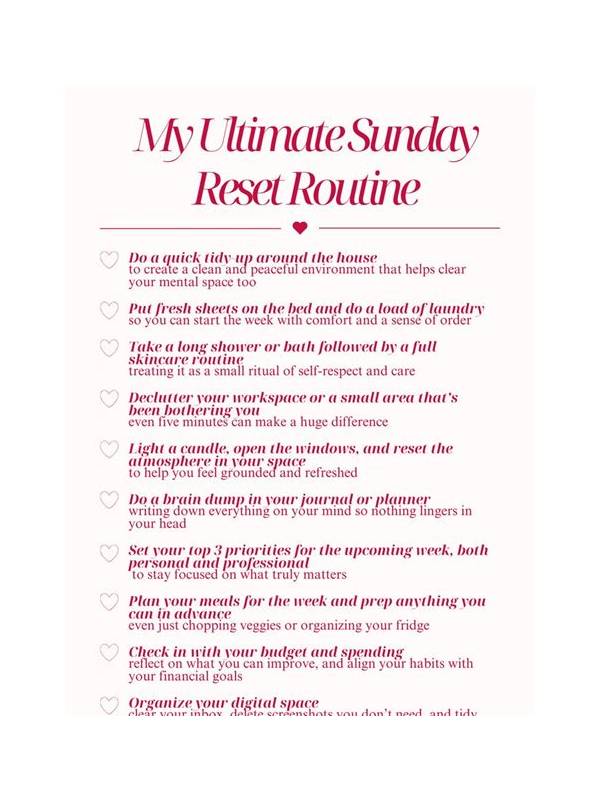
A difficult rummy hand can affect the next deal long after the cards have been cleared. You may replay one discard, blame a missed sequence, or try to recover immediately. That reaction narrows attention. A simple reset routine creates space between the previous result and the next decision.
Begin by separating the result from the process. Ask what actually happened: did the hand fail because the draw sequence was unhelpful, because a rule was misunderstood, or because one decision was rushed? Do not label the whole performance as good or bad. One outcome contains less information than the choices made throughout the hand.
Next, name one useful observation. Perhaps a high-value card stayed in your hand too long, or a flexible connector kept several options open. The observation should be specific enough to use later. “Play better” is not a useful adjustment; “check the weakest group after every second draw” is.
Then clear the physical and digital workspace. Return cards to a neutral arrangement, close unrelated notifications, and take a few slow breaths. If you are playing on a phone, make sure the table is fully visible before starting again. Small interruptions can make a player act on a partial view.
Set a limit for the next hand before it begins. You might decide to focus only on discard quality, or to stop after a fixed number of deals. A narrow learning goal prevents the next game from becoming an emotional test. If you notice hurried clicks, irritation, or a desire to chase losses, pause instead of increasing the stakes or session length.
Finally, accept that a reset does not promise a win. Its purpose is to restore clear choices. Rummy includes uncertainty, so a well-managed hand can still lose. A reset routine is successful when the next action reflects the current cards rather than the previous score. If the same reaction repeats across several sessions, make the reset more concrete. Write the trigger on a note, set a mandatory pause, or discuss the pattern with someone you trust. A recurring inability to stop or regain control is a wellbeing concern, not a strategy problem, and deserves support outside the game. Before restarting, also check whether you are physically tired or distracted. If so, ending the session is a valid reset and protects the quality of future decisions.
Related Post

Rummy Tips: Choose a Stopping Point After a Streak
A preset stopping point keeps a winning or losing streak from deciding how long and [...]
Rummy Safety: Keep a Session Budget Separate From Daily Spending
Separating a game-session limit from ordinary daily money helps keep play contained and easier to [...]