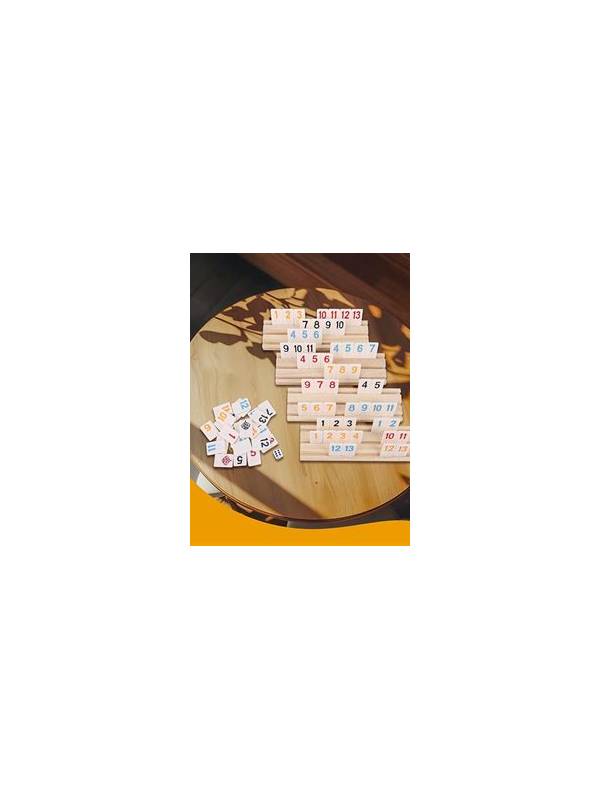
How to Build a Calm Rummy Session Plan
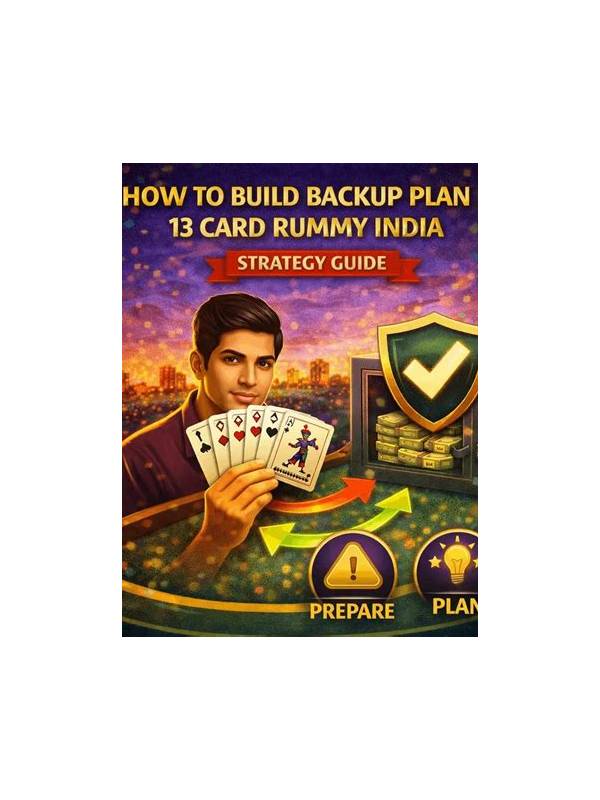
A good rummy session begins before the first card is dealt. Instead of opening a table with no clear limit, decide what you want from the session. You may be practicing sequences, playing a few relaxed games, or testing whether a format suits you. A small objective keeps attention on the game rather than on chasing a result.
Set a time boundary and a separate money boundary if the platform uses entry fees. Treat the two limits independently: a short session can still become expensive, while a low-cost session can last too long. Write both down before playing. Never increase either limit simply because an earlier hand went badly. The next deal does not know what happened before it.
During play, use a repeatable routine. First identify whether your hand already contains a possible pure sequence. Next look for cards that can connect two groups. Then discard the card that creates the fewest useful possibilities. This order prevents hurried decisions based on a single attractive pair. Pause briefly after each draw, especially when the table is moving quickly.
Keep a note of decisions rather than only wins and losses. After the session, ask whether you held high-point cards too long, missed a pure sequence, or discarded information that helped an opponent. A neutral review turns a disappointing game into practice. Avoid judging skill from one result because random deals and opponent choices affect every hand.
Finish when the planned time ends, when concentration drops, or when you feel pressure to recover losses. Closing the app is a useful part of the plan, not a sign of failure. If playing no longer feels comfortable, take a break and return only if the activity remains recreational and lawful where you live.
One practical preparation is to remove avoidable distractions. Charge the phone, silence unrelated alerts, and keep the rules visible if the format is unfamiliar. Decide whether you will record notes after each hand or only at the end. A prepared environment makes it easier to notice your own choices and less likely that a technical interruption will turn into a rushed action.
The plan can also include a clear exit phrase: “the session is finished.” Use it when the clock, budget, or attention limit arrives. Do not negotiate with that phrase after a win or a loss. Over several sessions, compare whether the plan improved comfort and understanding. Adjust the structure, not the spending limit, if you need a better learning routine.
Related Post

Rummy Comparison: One Deck View Versus Group View
Compare two ways to inspect a rummy hand and learn when each view is useful. [...]
Rummy How-To: Build a Better Mid-Hand Sorting Routine
A short mid-hand sort can reveal stranded cards without distracting you from the next decision. [...]