Rummy Safety: Control Notifications on a Shared Screen
Notifications can make an online rummy app convenient, but previews may reveal more than you expect. A message banner can show your display name, a transaction reminder, or details about a table while another person is looking at the screen. This is especially relevant on shared phones, public transport, or a device connected to a television. A few privacy checks can reduce accidental exposure.
Start with the device notification settings rather than assuming the app controls everything. Look for options such as hide sensitive content, show previews only when unlocked, or disable banners on the lock screen. If you use more than one profile, check each profile separately. Notification settings may also be copied during a device migration, so revisit them after an operating-system update.
Then inspect the app’s own controls. Turn off promotional alerts that you do not need, and keep only important security or account notices. Avoid enabling notifications that announce a table action in full text. A short generic alert is safer than one that displays a room name, balance, or other account detail. If an app offers no meaningful control, device-level hiding is the safer default.
Think about visibility during play. Place the phone so passersby cannot read the screen, and avoid screen recording when private information is present. If you cast the display, confirm which screen is being shared before opening an account or payment page. Lock the device when stepping away, even if the table appears inactive.
Do not treat a notification as proof that a message is genuine. Scammers can imitate an app’s wording or send links that resemble support notices. Open the official app directly to check an account issue instead of tapping an unexpected link. Never share one-time codes, passwords, or payment details in response to a notification.
Finally, test your settings. Lock the phone, send a harmless test notification, and see what appears. Repeat after changing profiles or installing an update. Privacy is easier to maintain when the device’s behavior is verified rather than assumed. These steps protect your information without interfering with ordinary reminders you actually want to receive. Pay attention to linked devices as well. A smartwatch, car display, or desktop companion may mirror alerts even after you hide them on the phone. Review those surfaces separately and disable mirroring when you are playing in a public or shared setting. If you lend the device to someone, sign out of any account view that could expose your profile before handing it over.
Related Post
Rummy Safety: Make an Exit Plan Before Joining
Set clear time, spending, and attention limits before a rummy session so stopping remains an [...]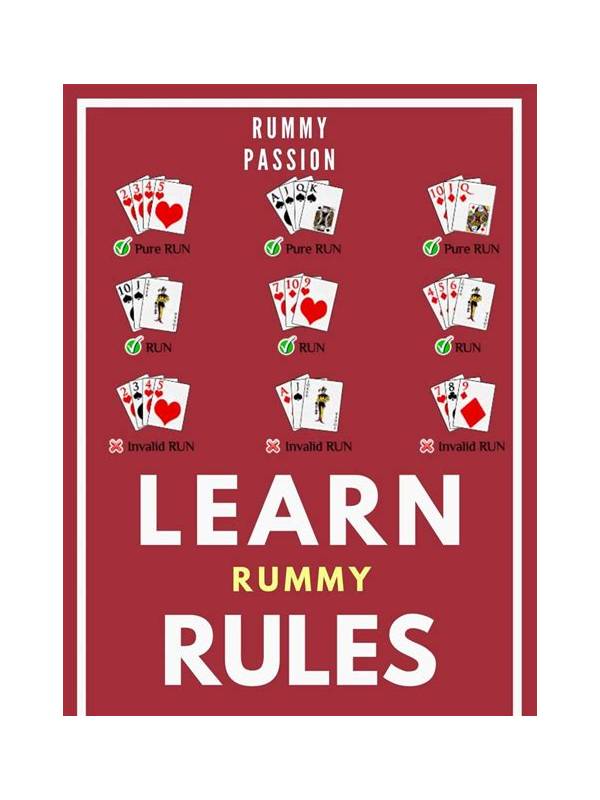
Rummy Comparison: Fixed Stop Rules Versus Flexible Stop Rules
Fixed and flexible stop rules serve different purposes, and comparing them can improve session discipline. [...]