Rummy Practice: Make a Blind Discard Before Seeing the Answer
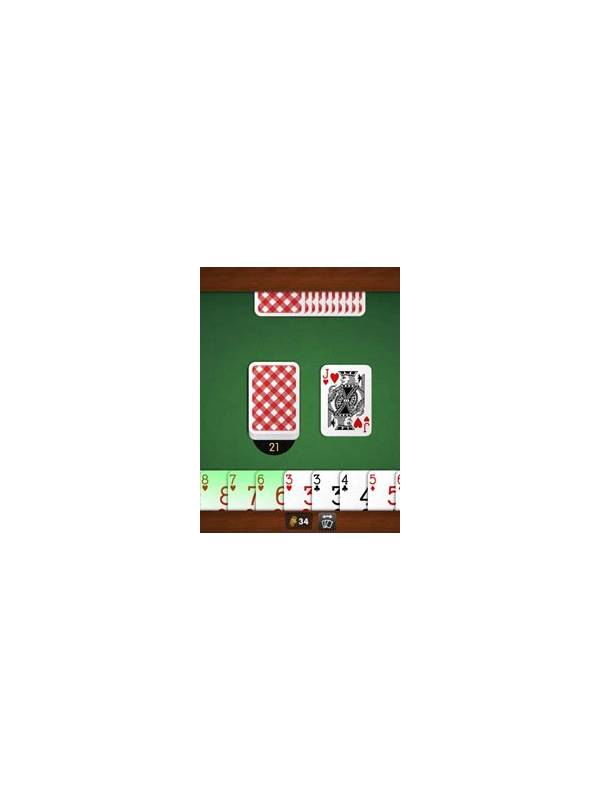
A useful rummy practice exercise is to make a discard decision before checking what the next card would have been. This is a blind-discard drill: you evaluate only the visible hand, rules, and table information available at the decision point. The purpose is not to prove that your choice was lucky. It is to improve the quality of your reasoning before hindsight changes the story.
Use a completed practice hand, a paper layout, or a replay feature that lets you pause before the draw. Cover the next card if necessary. Arrange your hand into tentative groups, mark high-point cards, and identify any required pure sequence. Then choose your draw and discard as if the round were live. Write one sentence explaining what the discard protects and what uncertainty it releases.
After recording the decision, reveal the next card. Do not immediately label the decision good or bad. First ask whether the card was reasonably reachable from the information you had. A helpful card can arrive after a poor plan, and an unhelpful card can follow a sound one. Separate the quality of the process from the result of that one draw.
Repeat the exercise with three different stopping points. In the opening, focus on sorting and broad possibilities. In the middle game, count unresolved groups and compare their replacement costs. Near the end, check declaration rules and penalty exposure before seeking a clever improvement. The same discard may be sensible in one phase and careless in another.
Add a second round in which you must name two alternatives before selecting one. For each alternative, write the card it gives up, the groups it preserves, and the worst plausible outcome. This creates a habit of comparing options instead of defending the first idea that appears. Keep the notes brief so the drill remains about clarity, not paperwork.
At the end, review a small sample of decisions. Look for repeated errors such as chasing exact cards, keeping isolated high cards, or breaking a legal sequence to pursue a speculative set. Choose one pattern for the next practice session. A blind-discard routine works because it rewards disciplined evaluation, not dramatic predictions about what the unseen deck will provide. A second version of the drill can use a friend who pauses the hand at random moments. Keep the rules identical across attempts so the comparison remains fair. If your explanation changes only because the hidden card was favorable, the exercise has revealed a bias worth working on.
Related Post
Rummy Tips: Use a One-Card Commitment Limit
A one-card commitment limit helps prevent a narrow idea from consuming the entire hand. [...]
Rummy FAQ: When Should You Rebuild Your Plan?
Rebuilding a rummy plan is useful when new evidence changes the hand’s strongest structure. [...]