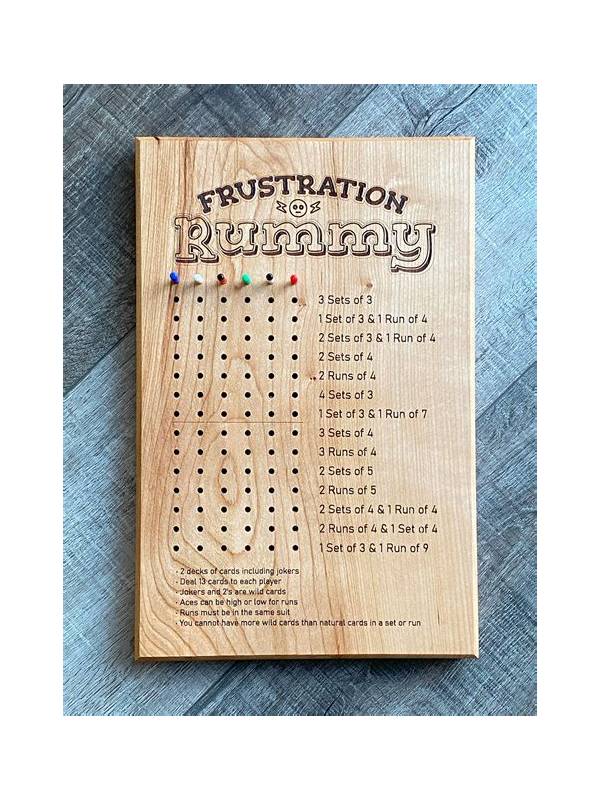
Rummy Comparison: Short Notes Versus Full Hand Records

Players often ask whether they should jot down a few decisions or record an entire rummy hand. Both methods can improve awareness, but they are useful at different stages. Short notes are quick and sustainable; full records provide more evidence but require extra time and discipline.
Short notes capture one decision at a time. Write the draw, the discard, and the reason in a few words, such as “kept connector, released isolated high card.” This method keeps attention on decision quality rather than on reconstructing every detail. It works well during regular practice and is less likely to interrupt the rhythm of a round.
Full hand records include the opening hand, visible discards, important draws, group changes, and the final result. They are useful when studying a recurring problem, such as holding speculative pairs too long or missing a required sequence. A complete record lets you separate a bad outcome from a bad decision, which is impossible when you remember only the ending.
The tradeoff is cognitive load. Detailed writing can distract you from the game and may be impractical on a fast table. Short notes can also be too vague to teach you anything later. Choose one method before play instead of switching randomly whenever a round becomes exciting.
One effective compromise is a layered record. Use short notes for every turn, then choose one round per week for a full reconstruction. During the reconstruction, mark the first point where the hand’s main plan became weak. Identify the available alternatives and write one lesson in plain language. Avoid trying to optimize every turn; focus on a repeatable behavior.
Paper, a private notes app, or a simple spreadsheet can all work. Do not record sensitive account information, payment details, or other players’ personal data. Keep practice notes neutral and factual. Over time, the best recording method is the one you actually use consistently. Start with short notes, add detail when a specific question needs investigation, and let your records support learning rather than become another source of pressure.
Keep the wording observable. “I panicked” is less useful than “I held the pair for four turns after both links were visible.” Concrete notes make patterns easier to compare and reduce the temptation to rewrite the past based on the final result. The record should help you make the next decision, not prove that every old decision was wrong. Use neutral, observable language in every record so later review can separate the quality of a decision from the luck of its outcome.
Related Post
Rummy Comparison: Short Sessions or Long Sessions?
Compare short and long rummy sessions by looking at attention, learning, cost, and stopping control. [...]
Rummy Strategy: Use the Discard Pile as a Record
Careful observation of the discard pile can improve choices while avoiding overconfident predictions about hidden [...]