Rummy Safety: Make a Simple Session Budget
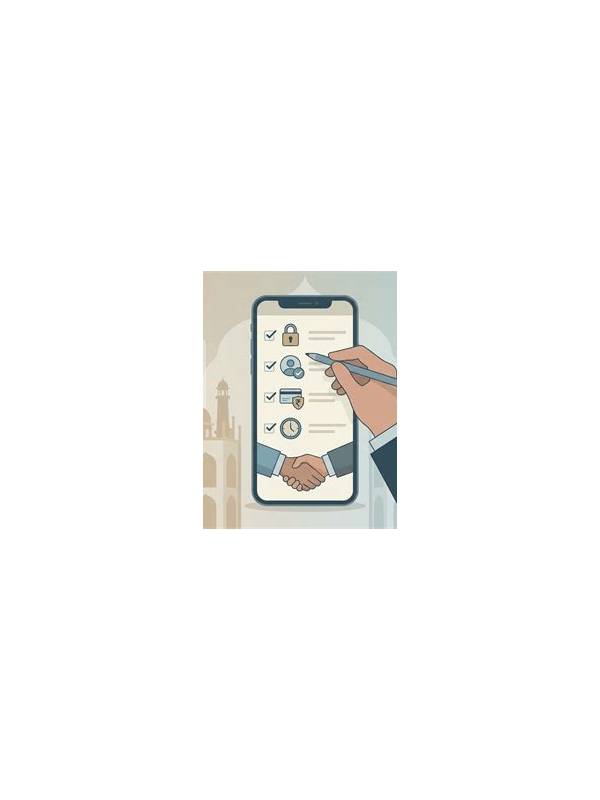
A session budget is a boundary decided before a rummy session, not during an emotional moment. It can cover time, optional spending, and the number of rounds you are willing to play. The purpose is to keep the activity visible and manageable, especially when a close loss creates an urge to continue.
Begin with time. Choose a start and end time, then add a reminder several minutes before the end. A time limit is easier to follow when it includes a stopping routine: finish the current round if appropriate, record the result, and leave the table. Avoid treating the reminder as a prompt to negotiate with yourself.
If the platform or game involves money, set an amount that you can comfortably lose without affecting necessities. Never use rent, food, debt payments, emergency savings, or borrowed funds. A budget is a maximum, not a target. If the amount is reached, stop rather than attempting to recover it in the same session.
Add an attention limit. Poor sleep, anger, alcohol, urgent work, or repeated distractions can change decision quality. Make a rule that certain conditions mean postponing play. This is not a judgment about skill; it is a practical response to reduced concentration and weaker impulse control.
Keep the budget somewhere visible but private. Before joining a table, confirm the time and spending limits. During play, use the platform’s available deposit, loss, or break controls when they exist. Check local rules and age requirements, and use only official support channels for account questions. Do not share passwords, one-time codes, or payment details with anyone claiming to offer assistance.
Review the budget afterward without self-criticism. Did the limit fit the session? Was the stopping reminder effective? Would a shorter block or a no-spend practice round be better next time? Small adjustments make the boundary more realistic. A session budget cannot remove every risk, but it turns vague intentions into a concrete plan that protects time, money, and calm decision-making.
Tell yourself the limits in plain language before starting: “This is the maximum time and amount, and stopping is success.” If you feel pressure to hide the session or move the boundary, that is a useful warning to stop and reassess. A no-cost activity, a walk, or a conversation can be a better next step than another round. Set the boundary before opening the table, and treat stopping on time as a successful part of the session rather than an interruption.
Related Post
Rummy FAQ: Can a Joker Solve Every Sequence Problem?
This FAQ explains why a joker is flexible but still subject to rules, timing, and [...]
Rummy FAQ: What Is a Safe Tempo for Deliberate Play?
Answers common questions about playing quickly enough to stay focused without rushing important decisions. [...]