Rummy How-To: Review the Last Five Discards
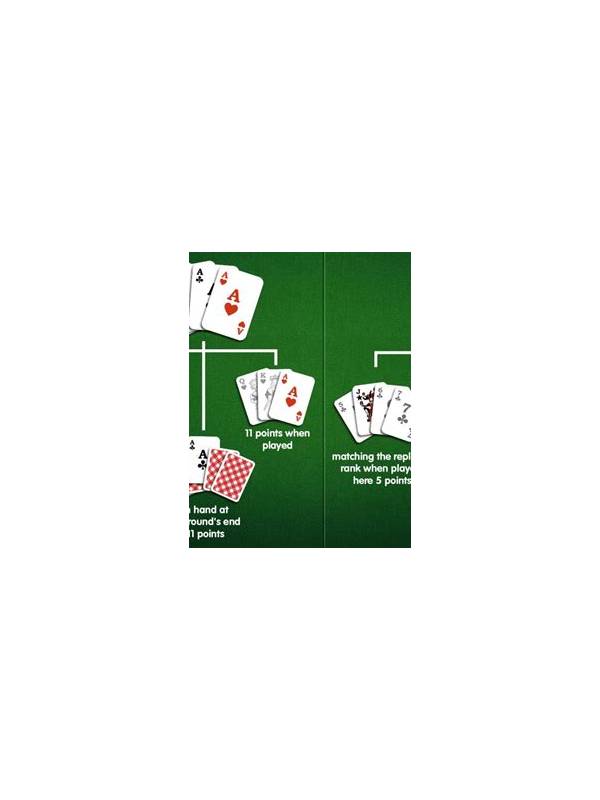
Reviewing the last five visible discards is a practical way to use information without drowning in it. The purpose is not to reconstruct every opponent’s hand. It is to notice which cards are becoming less available, which groups may be developing, and whether your current plan still makes sense.
Begin with availability. Look for cards that would complete or extend your possible sequences. If several relevant cards have already appeared, reduce the confidence in that route. Do not assume every unseen card is equally likely to arrive; the visible pile provides useful, though incomplete, evidence.
Next inspect patterns in pickups and releases, if the format makes them visible. A player taking an open card may be showing interest in a rank or suit, but the signal is ambiguous. A discarded card may be a deliberate release or simply a card that no longer fits. Record the clue, then keep uncertainty attached to it.
Finally compare the pile with your own hand. Are you holding cards that are now less useful because their natural partners have appeared? Are you keeping a high card when a lower-risk discard is available? The review should end with one action, not a long theory about everyone at the table.
Do this after your draw and before your discard, using only the amount of time allowed by the table. If you cannot remember five cards, review three. Accuracy is more valuable than ambitious counting. During practice, pause a sample round and write the five-card window, then explain how it changed your plan.
Avoid treating the discard pile as a guarantee. Cards may be hidden in other hands, and variant rules can change what information matters. Use the recent window as one input alongside hand structure, point value, and remaining time. A small, consistent review is easier to maintain than an exhaustive count that breaks your concentration.
If the last five cards contain no useful clue, that is still an answer. Return attention to your own hand instead of inventing a pattern. The discard pile is supporting evidence, not a requirement to make a complicated prediction. A quiet information window can justify a conservative discard and a fresh review on the next turn. When the recent discard window offers no reliable clue, return your attention to hand structure rather than inventing a confident story. Use the smallest conclusion supported by the evidence, and allow the next turn to supply more information before changing your whole plan.
Related Post
Rummy FAQ: Can You Change Plans Mid-Round?
Changing a rummy plan is normal when new evidence weakens the old one, but a [...]
Rummy Comparison: Cautious Openings Versus Aggressive Openings
The best opening style depends on the hand’s flexibility, the format’s pace, and the cost [...]