Rummy Strategy: Distinguish Progress From Movement
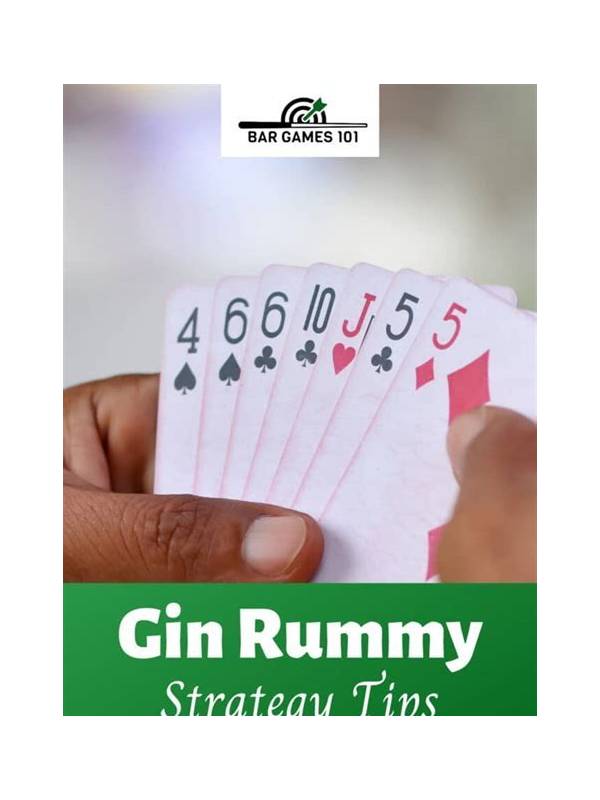
Rearranging cards feels productive because the hand looks different afterward. But movement is not always progress. Progress means that the hand has stronger legal groups, fewer expensive liabilities, or a clearer path to completion. Learning the difference helps you avoid changing cards simply to feel active.
Start by naming the hand’s stable achievements. A completed group is progress. A pair that gained a second realistic extension may be progress. A high card removed from a weak position may also be progress. Sorting the same uncertain cards into a new visual order is movement, even if the arrangement looks more attractive.
After each draw, ask what objectively improved. Did a missing link arrive? Did the number of viable plans increase? Did your worst discard become easier to identify? If none of these occurred, keep your next decision modest. Do not create a new plan just because the hand did not improve.
Be especially careful with long chains of rearrangement. They can hide attachment to a weak idea and consume time needed for observation. Set a short review routine: protect completed groups, label unfinished structures, identify the biggest risk, and choose one discard. Once done, stop optimizing until new information arrives.
Progress can also be defensive. Preserving a legal sequence while reducing a high-value singleton may not look dramatic, but it improves the position. Similarly, abandoning a narrow plan can be a gain if it prevents several future turns from being wasted. Judge the hand by its options and exposure, not by how elegant its current layout appears.
For practice, record one sentence after each turn: “The hand improved because…” or “The hand only moved because…”. At the end of a round, count both types. The exercise builds a useful discipline: celebrate evidence-based progress, accept neutral turns without panic, and change course when movement is repeatedly replacing real improvement.
This distinction is especially helpful after a surprising draw. Before rearranging, identify one measurable benefit from the card. If there is none, keep the existing structure and wait for better evidence. A calm hand can look unchanged for a turn while becoming easier to evaluate, and that clarity is itself useful progress. A hand can look unchanged while becoming easier to evaluate, and that improved clarity is a useful form of progress. Before rearranging, name one measurable improvement; if none exists, preserve the current structure and wait for better evidence. That standard keeps rearrangement purposeful and preserves attention for decisions that actually change the hand.
Related Post

Rummy Endgame: When to Stop Improving a Completed Group
Knowing when a group is good enough keeps late-turn attention on the cards that still [...]
Rummy Practice With Constraints: Improve One Skill at a Time
Small practice constraints make it easier to identify which rummy decisions need work. [...]