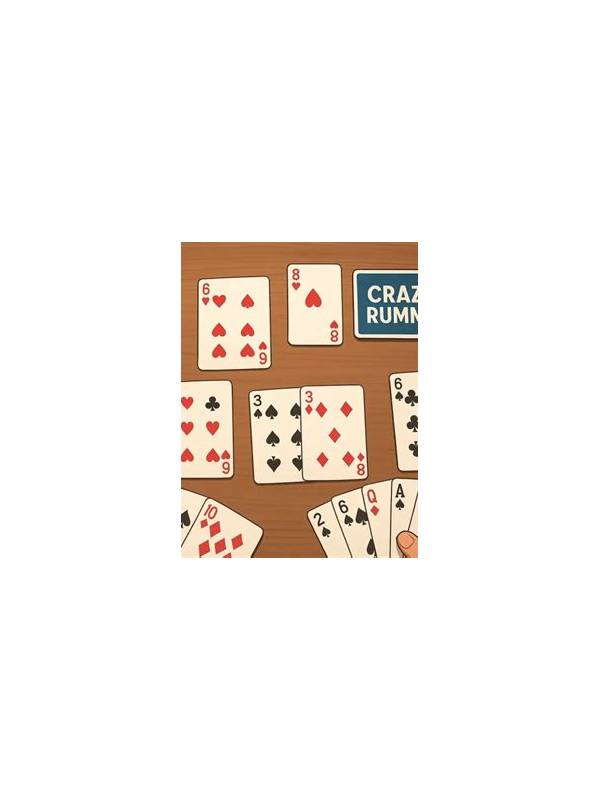
Rummy Opening Hand Audit: Find the Loose Cards First
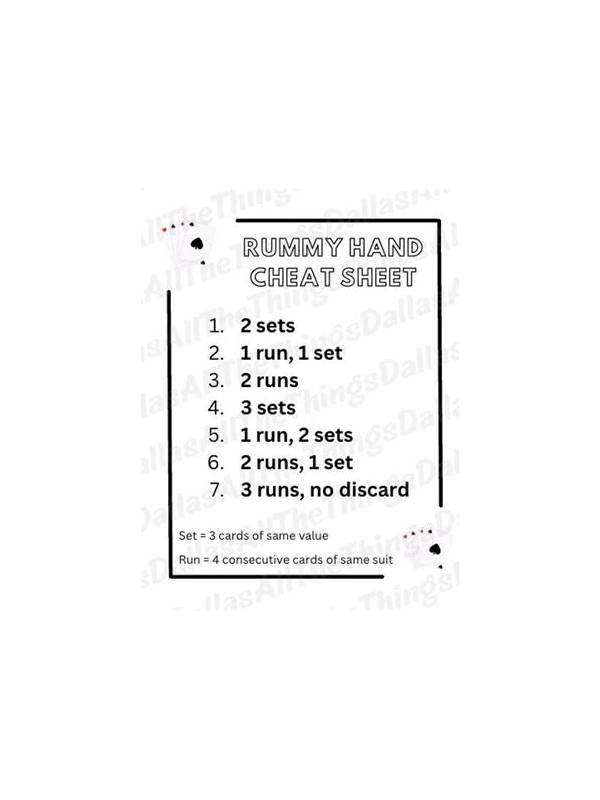
An opening hand in Indian rummy can look promising simply because several cards share a suit or rank. A calmer way to read it is to audit every card for its current job. The purpose is not to predict the winner. It is to identify loose cards, protect strong structures, and choose a discard with a reason.
Begin by separating complete groups from possibilities. A natural sequence already has a clear shape, while a pair, a near-run, or a single card is only a candidate. Mark each card mentally as complete, one step from a group, or isolated. This prevents a tempting pair from receiving the same attention as a finished sequence.
Next, inspect connections. A middle card may fit on either side of a suit run, whereas an edge card often has fewer directions. That does not make every middle card valuable: if the needed neighbors are visible in the discard pile or have already been rejected, its practical value falls. Think in terms of reachable cards, not just theoretical possibilities.
Then check duplication. A card should not be counted in two proposed groups at once. If the seven of hearts seems useful for both a hearts run and a set of sevens, write down both plans but label one as dependent on finding another card. The hand becomes clearer when each plan shows its missing pieces.
Choose the first discard by comparing cost. A high isolated card may carry more penalty, but a low card that blocks your only flexible plan may be harder to replace. Ask which card leaves the greatest number of reasonable next turns. Keep the decision proportional to the evidence available; one draw cannot prove a plan is good.
Repeat the audit after each meaningful draw. Cards change roles as soon as a group is completed or a needed connector disappears. A simple opening audit turns a crowded hand into a short list of priorities: preserve finished structure, test the best connection, and release the least useful card. It is a practical habit for practice tables and real-money games alike, where local rules, limits, and responsible-play boundaries should always be checked first. For a more detailed version, make three passes. In the first pass, group only cards that are already certain. In the second, circle cards that can join one group with a reasonable draw. In the third, underline cards that have no active role. This order prevents an attractive possibility from hiding a basic weakness. If two plans compete, write the shared card in only one plan and mark the other as conditional. After the discard, keep a one-line record of what you chose and why. A later review can then test the method rather than your memory of a busy turn.
Related Post
The Ultimate Guide to the Best Roulette Tracker Reddit
The Ultimate Guide to the Best Roulette Tracker Reddit Are you tired of losing money [...]
Rummy How-To: Sort Your Hand for Faster Decisions
A simple sorting routine can make useful combinations easier to see without forcing a rushed [...]