Rummy Comparison: Visible Discards Versus Unknown Stock Cards
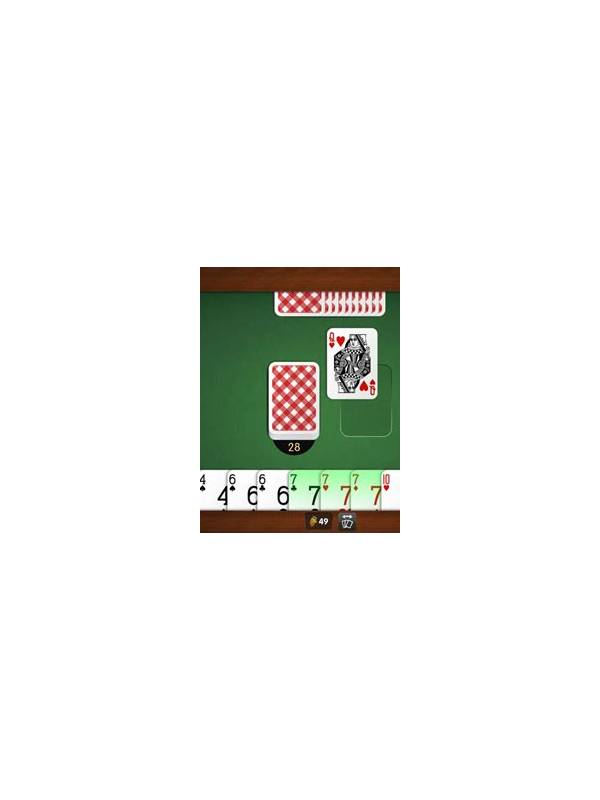
Choosing between a visible discard and an unknown stock card is a recurring rummy decision. The visible option offers certainty about what you receive, while the stock preserves surprise and may contain many useful cards. Neither is automatically superior.
What certainty provides
A visible discard is valuable when it immediately improves a valid group or creates several routes. You know its rank and suit, so you can calculate the hand’s new shape before taking it. That certainty is especially useful when the round is late and waiting for a particular draw is expensive.
The drawback is information. Taking a visible card can signal your direction to opponents, and the card may have been discarded because it no longer fits the previous player’s plan. That does not make it bad, but it is a reason to inspect the whole table.
What the stock provides
An unseen card may improve a wider range of routes and reveals less about your intentions. It can be the better choice when the visible discard is narrow, high value, or likely to help the next player if you release a related card. Stock draws also keep your options broad during the opening.
The drawback is uncertainty. The card may be unusable, and drawing it can leave you with an extra problem to discard. If your hand already has a strong route, random expansion may be less useful than a known connector.
Compare the next two turns
Ask what happens after each choice. If you take the visible card, what becomes your weakest discard? If you take from stock, which cards would you welcome next and what will you release if neither appears? The answer should include point exposure and rule requirements.
Use timing as a tie-breaker
Early decisions can favor flexibility; late decisions can favor certainty. But timing is not a substitute for structure. A known card that completes a weak route may still be worse than an unknown draw that preserves a finished group. Choose the option that leaves the most manageable hand after the action.
The comparison is not “safe versus risky.” It is certainty versus breadth, evaluated against your current route, public information, and remaining time.
Also consider the table’s technical conditions. If a connection is unstable or the interface may delay a turn, a known useful card can simplify the decision, but never rush into a payment or account prompt because a timer is running. Game strategy and account safety should remain separate decisions.
Related Post
Rummy Safety: A Pause Before Changing Account Settings
A short verification routine can protect players from rushed account and payment changes. [...]
Rummy Guide: Use a Turn Budget for Every Unfinished Group
A turn budget helps you decide when an unfinished rummy group has used too much [...]