Rummy Safety: Check the Table Identity Before Playing
Joining the wrong rummy table can create confusion before the first card is drawn. A quick identity check helps confirm that the table matches your intention and that its conditions are understandable.
Read the table name and variant carefully. Similar labels may describe points, pool, deals, tournament, or a practice mode, each with different scoring and pacing. Do not rely on a familiar icon or a promotional headline. Open the rules or help panel and verify the hand size, declaration requirements, entry amount, timer, and treatment of an interruption.
Check the displayed stakes and total exposure. An entry figure may not be the same as the maximum amount you could spend across several rounds. Look for fees, re-entry options, automatic continuation, and any minimum balance language. If the information is unclear, leave the table and seek an official support channel rather than guessing.
Confirm the account context as well. Make sure the selected profile is yours, the device is private enough for the session, and no unexpected pop-up is requesting credentials or a payment action. Official support should not require a password, one-time code, or remote control of your device. Treat urgent requests and unfamiliar links as warning signs.
Before joining, set a time boundary and a spending boundary. Write them down if that helps. A boundary is useful only if you decide in advance what happens when it is reached: stop, log out, and review later. Avoid increasing the limit to recover a result or to remain in a table that no longer feels comfortable.
This check takes less than a minute and is especially valuable after an app update, a long break, or a switch between devices. A clear table identity supports better decisions; it does not make outcomes predictable. Follow local law and platform age requirements, and choose a no-stakes practice table whenever those conditions cannot be verified. Also inspect the table after joining. Make sure the player count, turn order, and action buttons are what the rules described. A familiar layout can still contain a different format. If chat, audio, or shared-screen features are active, protect private information and mute anything that distracts you. Never click a payment or bonus prompt while rushing to beat a timer; finish or exit the turn according to the rules, then review the prompt separately. Safety is partly technical and partly behavioral: clear conditions make it easier to notice when pressure is changing your choices.
Related Post
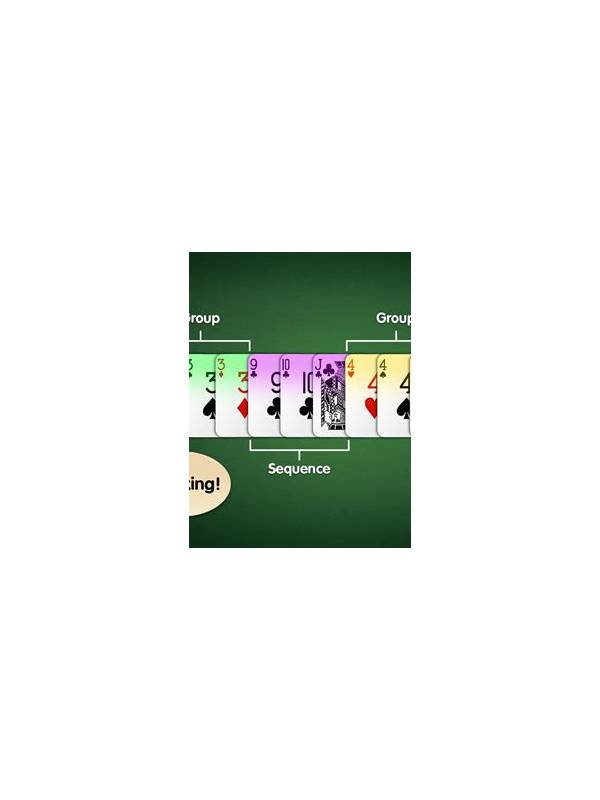
Rummy Hand Shapes: Read the Whole Pattern Before Fixing One Pair
Looking at overall hand shape helps prevent overvaluing one attractive pair or connector. [...]
Rummy FAQ: When Should You Replace a Hand Note?
Replace a hand note when new information changes its decision value, not merely because the [...]