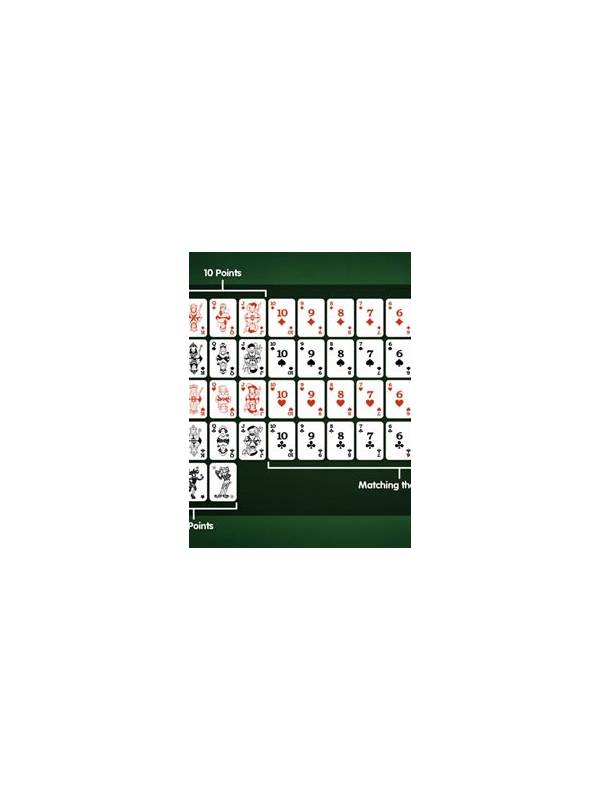
Rummy Comparison: Rank Cards by Structure and Penalty
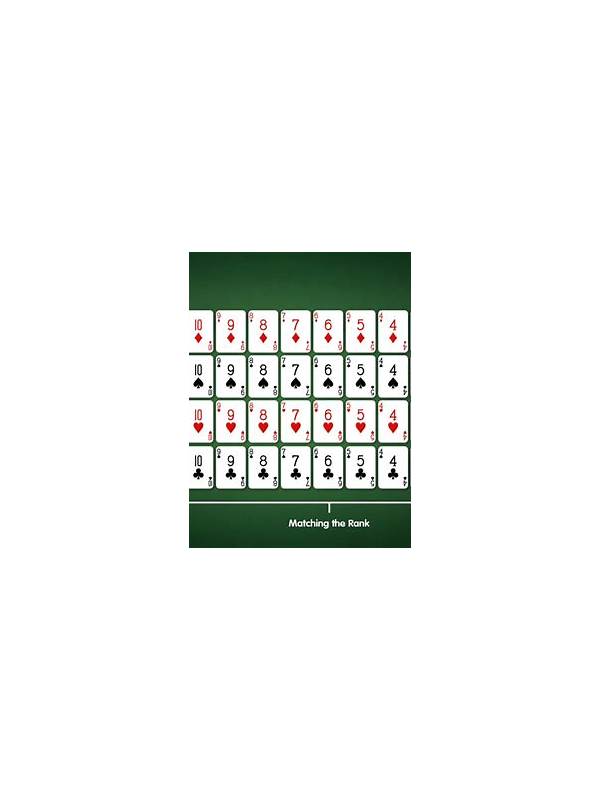
Rummy card decisions often become distorted when a player considers only points or only future connections. A balanced comparison uses both. Structure asks how a card can help form groups; penalty asks what happens if it remains unmatched.
Begin with structural usefulness. A card may be part of a completed sequence, a pair, a near-sequence, or an isolated holding. Completed groups deserve protection under the applicable rules. Near-groups should be compared by the number of realistic cards that could complete them. Isolated cards have no current partner, but a connector may still preserve more than one future plan.
Then consider penalty. In many formats, high unmatched cards can hurt the score more than low cards. That makes them candidates for an early discard, but not automatic discards. A high card that connects both sides of a suit run can be more valuable than a low card that has no route forward. Point cost is a warning signal, not a complete strategy.
Put the two measures together. A high isolated card usually has high penalty and low structure, making it an easy candidate. A low connector has low penalty and high structure, so releasing it may damage the hand. A medium card in a weak pair sits between those cases and needs a look at visible cards and competing plans.
Use a two-column note during practice. In the first column write “helps,” with the best group each card supports. In the second write “costs,” with its penalty or opportunity cost if held. Compare two or three candidates, then discard the card whose removal leaves the strongest overall shape. Review whether your explanation matched the result, without judging the result as proof.
This method is deliberately simple. It prevents one dramatic feature—a large point value or an attractive pair—from taking over the whole decision. Apply it within the exact scoring rules of the table, and keep cash play bounded by a pre-set budget and time limit. Opportunity cost deserves its own note. Holding a card does not merely preserve that card; it occupies space that could hold a new draw. A pair may be worth keeping if it can quickly become a set, but it may be expensive when the hand already contains several unfinished groups. Consider how many cards you can realistically improve before the next decision. Then check the result against the variant’s scoring. A low-penalty discard that destroys your only broad connection can be worse than releasing a high card with little future. Review the comparison after the hand and record whether the structure, penalty, or visible information mattered most.
Related Post
Rummy FAQ: When Is a Plan Too Complicated?
This FAQ offers signs that a rummy hand contains more competing plans than it can [...]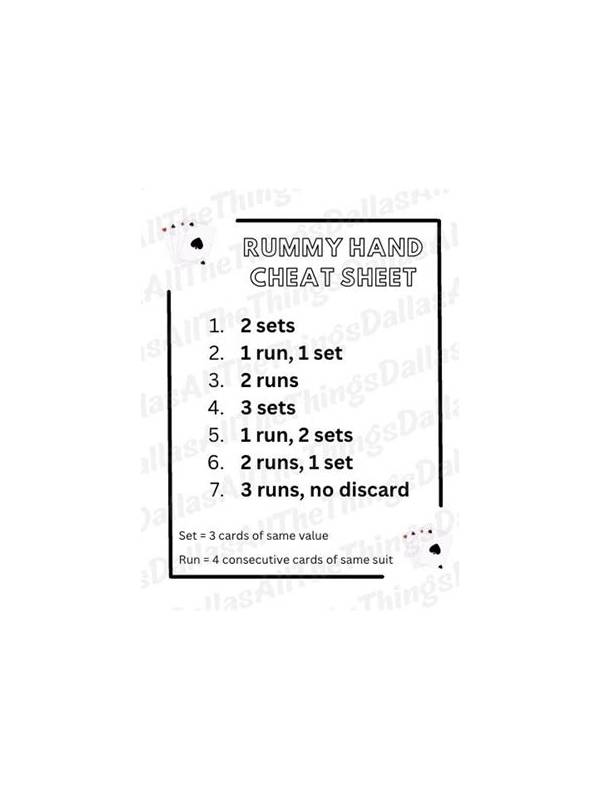
Rummy Guide: Compare Two Hands by Flexibility
Learn a practical way to compare rummy hands by the number and quality of future [...]