Rummy How-To: Make a Five-Minute Rule Card
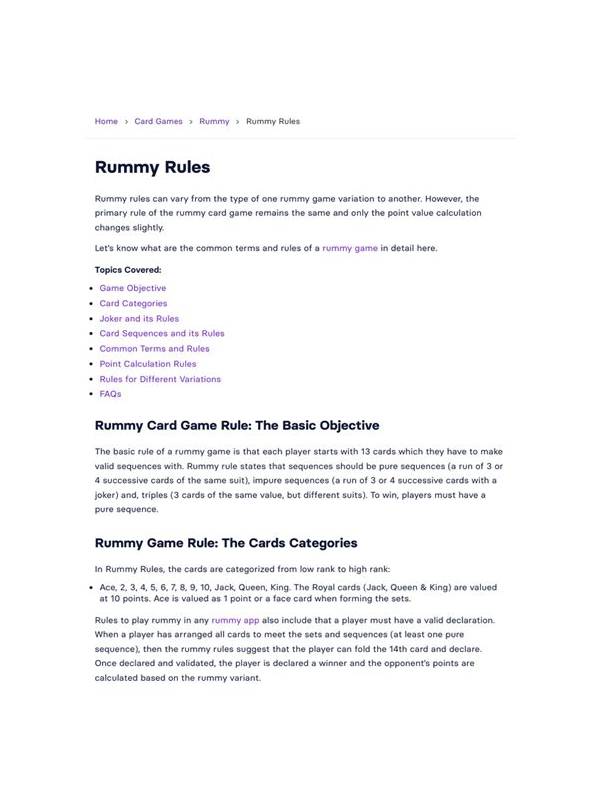
Rummy variants can share familiar names while using different scoring, hand sizes, timers, and declaration conditions. A five-minute rule card gives you a reliable reference before you play.
Write the variant name at the top, followed by the number of cards dealt and the objective. Add the required group types, including any natural-sequence or joker conditions. Use the platform’s current help page or table rules as the source, and note the date you checked it. If two screens disagree, do not guess; pause and seek clarification.
Add scoring details in plain language. Record the value of unmatched cards, the result of an invalid declaration, and whether a round has a fixed or changing entry amount. Include timer behavior and what happens after a disconnect. These details matter more than a catchy table label.
Finish with a personal safety section: maximum time, maximum spend, and the stop condition you chose in advance. Add a reminder that support staff should not request passwords or one-time codes. Keep the card free of account numbers, payment details, and private notes.
Test the card in a no-stakes round. If you cannot explain a rule in your own words, return to the official source. Update the card when the variant changes, and discard outdated copies so they do not compete for attention.
The card should fit on one screen or a small piece of paper. Its purpose is fast accuracy, not a complete strategy manual. A minute spent checking conditions can prevent a long session based on the wrong assumptions. Keep a separate line for actions that are not part of the game itself. Note where to log out, how to contact official support, and how to report a technical problem. Do not copy links from unsolicited messages into the card. A rule card should help you make a game decision, while account and security questions should go through verified channels. If the app changes its wording, update the card from the current source rather than relying on an old screenshot. Five minutes of maintenance can save repeated confusion when you change tables or devices. Keep the card concise enough to read before a turn. If it grows into a full guide, create a separate reference and leave only the essential checks on the quick card. Use large, plain labels and keep the source date visible. A short card is easier to trust and update. Use large, plain labels and keep the source date visible. A short card is easier to trust and update regularly.
Related Post
Rummy Practice: Score the Quality of a Decision
A process-based scoring method helps rummy learners review choices without judging only the result. [...]
Rummy Practice: Estimate Flexibility With a Card-Route Map
Use a simple route map to compare how many useful futures each card arrangement supports. [...]