Rummy FAQ: How Should Beginners Use Statistics?
Beginners can use statistics in rummy without calculating exact odds for every draw. The practical goal is to compare plans, recognize uncertainty, and avoid treating a favorable possibility as a certainty.
Start with ranges. A card may have several unseen copies, one unseen copy, or no realistic copy after visible cards are considered. Describe the situation in those terms before attempting a number. “Several routes remain” is often enough to distinguish a flexible plan from a narrow chase.
Count only relevant cards. If a sequence needs a particular rank and suit, count that need rather than all cards that look interesting. For a set, consider the matching rank and the copies already visible. Never assume the deck is arranged to reward the plan you prefer. A draw can be favorable or unfavorable without proving a strategy correct.
Compare opportunity cost. Holding one candidate means not holding another. A plan needing four possible cards may be less attractive than one needing two, but only if the second plan does not carry a larger penalty or break a completed group. Statistics become useful when combined with hand structure and scoring rules.
Practise with a simple table: plan, cards that help, visible blockers, and consequence if no help arrives. Fill it out before and after a draw. Review whether your assessment changed appropriately. This builds probabilistic thinking without false precision.
Keep the lesson bounded. Statistics cannot predict opponents, guarantee fairness, or justify chasing losses. Follow the table’s rules, play only where permitted, and stop when your time or spending limit is reached. A common mistake is to calculate after the decision has already become emotional. Put the comparison on paper first: “what helps, what is blocked, what do I give up?” If the answers are close, choose the simpler plan and accept that uncertainty remains. Do not use a remembered streak or a previous result as a substitute for current information. Statistics describe groups of possibilities; they do not control one hand. Review several practice hands together so that one lucky draw does not dominate your conclusion. The strongest lesson may be that your estimate was reasonable even when the card you wanted did not appear. When two plans look equal, prefer the one with a clearer exit. A clear exit reduces the chance that an uncertain idea will consume several turns simply because it once looked promising. That exit might be “discard after the next miss” or “stop when the table becomes unclear.”
Related Post
Rummy Table Focus: Remove Distractions Before Playing
A distraction check can improve attention and help keep an online rummy session within its [...]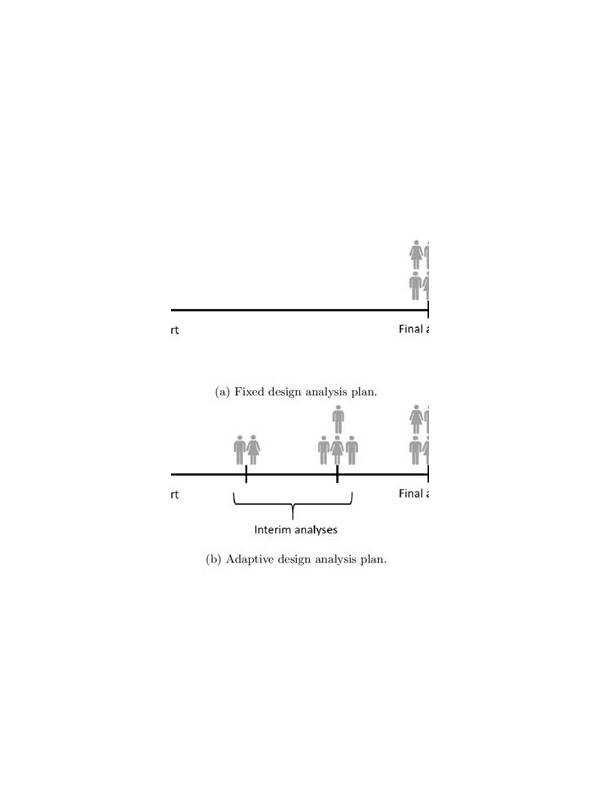
Rummy Comparison: Fixed Plans Versus Adaptive Plans
See when a firm hand plan helps and when changing direction is the more disciplined [...]