Rummy Decision Fatigue: Signs and Simple Break Rules
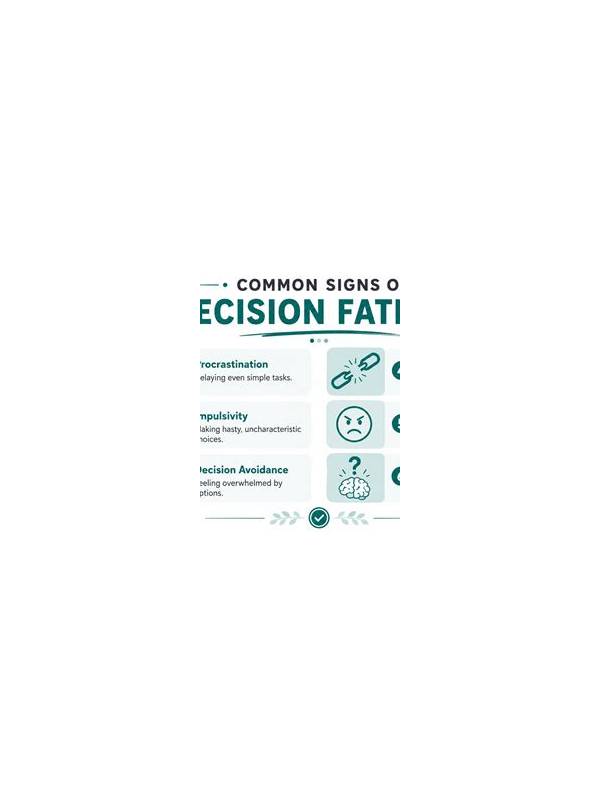
Rummy asks you to make many small judgments: which card to draw, which group to protect, and when to stop exploring possibilities. After several hands, decision fatigue can make ordinary choices feel irritating or automatic. Recognizing the signs early helps you keep a session within comfortable limits.
One sign is repeated hesitation over familiar decisions. Another is accepting the first discard that appears without checking your hand. You may also notice that you keep changing an arrangement, forget why you held a card, or become unusually focused on an opponent’s actions. These signals do not mean you are playing badly; they indicate that attention is becoming expensive.
Create a break rule before you start. For example, pause after a fixed number of hands, after a set amount of time, or whenever you notice two clear concentration signals. A rule made in advance is easier to follow than a promise made while frustrated. Leave enough time for the break to be a real reset rather than a quick glance at another screen.
During the break, step away from the table. Stretch, drink water, adjust the room, or look at something distant. Avoid immediately reviewing losses or chasing a result. The purpose is to reduce arousal and restore attention, not to build a new argument about the previous hand.
When you return, reassess whether you still want to play. If you feel rushed, irritated, or unable to accept a normal setback, stopping is a sensible choice. A game can wait. If you continue, choose a slower mode when available and use a simple decision checklist until your focus feels normal.
Breaks are not a sign of weak play. They are part of managing a cognitive task. A calm session produces clearer observations and more useful learning, while an exhausted session often produces noise that is hard to interpret afterward.
You can make the rule visible by setting a gentle reminder before play. When it appears, finish the current hand if appropriate, record the score, and step away. Avoid extending the session simply because the last hand went badly or because a favorable result seems close. Both reactions can keep you playing for reasons unrelated to your original plan. A clear stopping process protects your time and judgment.
Keep the break long enough to notice whether your mood changes. If the urge to continue remains tied to frustration or recovery, end the session for the day. A stopping rule is most useful when it still applies after an emotional hand.
Related Post
Rummy Guide: Use a Commitment Point to Simplify Discards
A planned commitment point helps you stop protecting every possibility and choose cleaner discards as [...]
Rummy Guide: Build a Simple Endgame Checklist
A compact endgame checklist helps players verify legality, risk, and points before the final discard. [...]