Rummy Turn Notes: A Simple Way to Track Useful Information
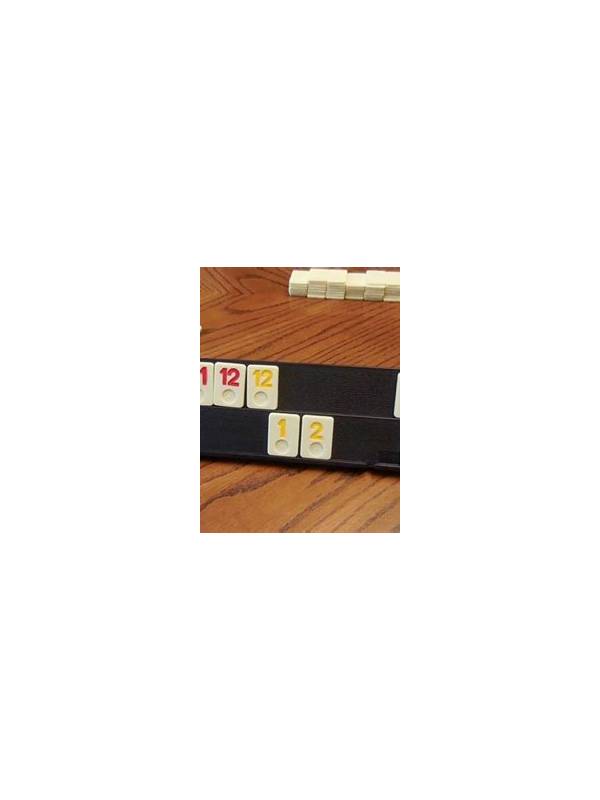
Keeping notes during a rummy game does not mean recording every card or trying to reconstruct the entire table. A short, consistent record can simply preserve the information that is most useful on your next turn. This is especially helpful for newer players who lose track of discards when the hand becomes fast.
Start with three columns: visible discards, cards that helped an opponent, and your current plan. The first column is factual. Write down ranks or combinations that have appeared in the discard pile, particularly cards that could complete an obvious run. The second column is an inference, so label it as uncertain. If another player quickly takes a seven of hearts, you may suspect they need nearby hearts, but you do not know the exact shape of their hand. The third column keeps you from drawing without a purpose.
Use short symbols instead of sentences. A circle can mark a card that fits two possible sequences. A dash can mean that a card has become less useful. A question mark reminds you that an assumption needs testing. Notes should take seconds, not interrupt the rhythm of play. If writing causes you to miss the next discard, the system is too detailed.
Review the notes at the start of your turn, then discard the information that no longer matters. A card may look dangerous early in a hand but become harmless after the needed neighbors appear elsewhere. Treat the record as a changing snapshot, not permanent truth. This habit prevents a common mistake: holding an old theory even after the table has supplied new evidence.
There are limits. Do not use notes to gain information that the rules or platform do not allow. In a friendly physical game, agree on whether written notes are acceptable. In a digital game, use only built-in features and ordinary memory if outside notes are prohibited. Never record personal information or share a player’s identity details.
The best test is simple: after several hands, ask whether the notes helped you make clearer choices. If they did, keep the format. If they became a distraction, reduce it to one line about your plan and one line about important discards. Good notes support attention; they should never replace it.
Related Post

Rummy Tips: Plan Around the Most Expensive Leftovers
Considering penalty-heavy cards early can prevent a nearly complete hand from ending with avoidable damage. [...]
Rummy How-To: Build a Card-Job Checklist
Assigning each card a current job makes it easier to spot useful flexibility and genuine [...]