Rummy Tips: Count Open Ends Before Chasing a Run
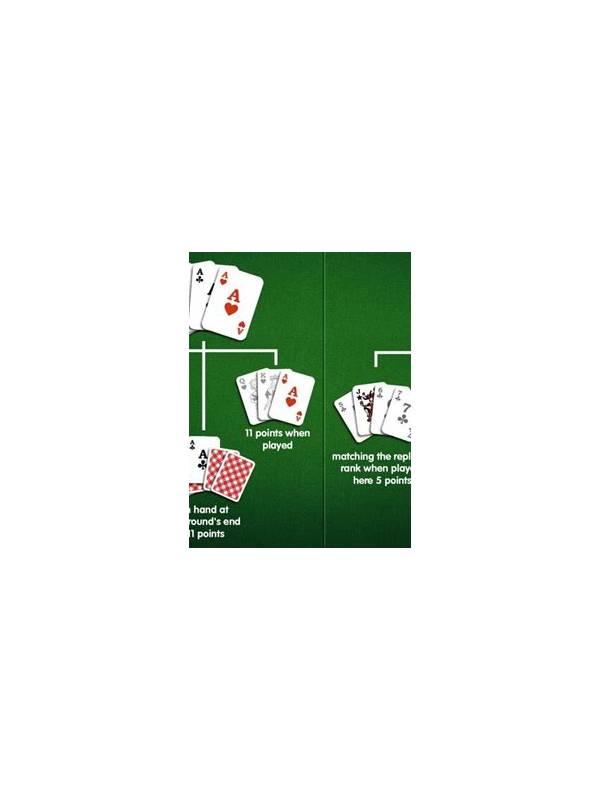
A connected pair can be tempting in rummy. Two cards of one suit may appear to promise a sequence, especially when they are close in rank. Yet proximity alone does not tell you how many useful cards remain available. Counting open ends gives a fast, disciplined way to judge that promise before the hand becomes committed to it.
An open end is a rank position that could extend a group. For example, a middle pair can sometimes be improved from either side, while a pair near the edge of the suit has fewer natural extensions. A gap also matters: cards that look close but require a missing middle card have a different risk profile from consecutive cards. Write down the actual ranks needed rather than relying on visual impression.
Then compare the route with your other plans. If one card would complete a group but is also the only bridge supporting a separate sequence, the apparent number of open ends is overstated. Count independent improvements, not every imagined rearrangement. A useful card should improve the hand without destroying a combination that is already better supported.
Timing changes the decision. Early in a hand, a flexible two-card idea can be retained briefly while you gather information. Later, continuing to wait for a narrow connector may expose points and reduce the chance of a valid declaration. Set a personal checkpoint, such as the next two turns, and reassess if no new evidence appears. The checkpoint is a decision aid, not a guarantee that a desired card will arrive.
The discard pile can supply information, but it should not create false certainty. A visible card tells you that one copy has appeared, not where every other copy is or what opponents hold. Treat it as evidence that changes probability slightly. Avoid chasing a run solely because a related card was recently discarded.
For practice, deal a few sample hands and mark each potential run with its required cards. After several turns, compare your original count with the route that actually produced the best structure. You will begin to notice that a modest, well-supported group is often more useful than a glamorous but narrow chase. The aim is not to eliminate uncertainty; it is to measure it before spending more turns on it. Also record the opportunity cost of waiting: a chase that preserves one option may block a safer group elsewhere. Repeating this review helps turn open-end counting into a quick table habit.
Related Post
Rummy Review Notes: How to Learn from a Finished Hand
A simple post-game review method for turning completed rummy hands into useful lessons. [...]
Rummy Table Noise: Filter Distractions From Decision-Relevant Signals
Separating useful table information from noise helps players stay observant without becoming reactive. [...]