Rummy FAQ: Does a Recent Discard Reveal a Player’s Plan?
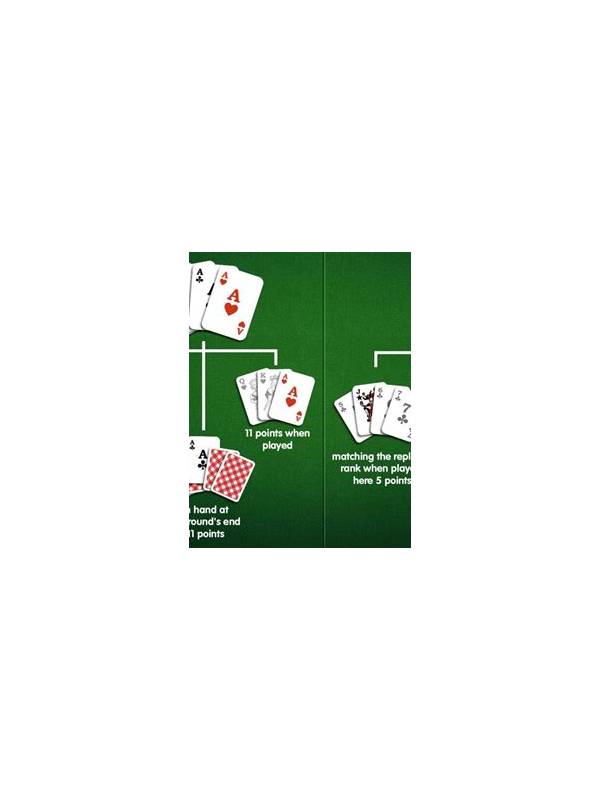
A recent discard is visible information, so it is natural to ask whether it reveals a player’s plan. The short answer is that it offers a clue, not a conclusion. A card may be discarded because it is useless, because it has become redundant, or because the player is deliberately choosing between several workable arrangements. One action rarely identifies the whole hand.
The strongest clue comes from repeated behavior. If a player consistently avoids taking a suit from the discard pile and releases related ranks, that pattern may suggest the suit is not important to them. Even then, remember that a player can change direction after a new draw. Reading behavior should help you manage risk, not encourage certainty about hidden cards.
Consider the source of the discard. Taking a card from the open pile can make a combination more visible, while drawing from the closed pile leaves fewer public clues. A discard that looks strange may simply be a low-cost way to protect a better card. Ask what alternatives were available at that moment and whether the chosen card carried a high penalty or blocked a flexible group.
Do not reveal too much about your own hand in response. Refusing every apparently useful discard can make your choices predictable, but taking a card merely to confuse others can damage your structure. Your first responsibility is to maintain a legal, low-penalty hand. Information management comes after sound card management.
A useful review method is to record three facts after a turn: what was discarded, whether it was taken, and what changed in the public sequence of play. Avoid writing a story such as “the player must be collecting hearts.” Write observable facts. Later, compare your interpretation with the eventual declaration or end of the round. This separates pattern recognition from hindsight.
The safest conclusion is conditional: “This discard slightly raises or lowers the chance of a plan.” Keep more than one explanation alive until further actions support one of them. Track your own visible evidence first, because it is more reliable than a psychological story. A useful note might say “two related cards released” rather than “the player hates this suit.” Ask what alternative explanations remain before acting, and wait for a repeated pattern before changing a sound plan. Rummy rewards attention, but good attention includes knowing the boundary between evidence and guesswork. That boundary protects your decisions from being driven by an opponent’s single, ambiguous discard.
Related Post
Rummy How-To: Make a Five-Second Pre-Discard Check
A compact pre-discard routine can reduce avoidable errors without slowing an ordinary turn. [...]
Rummy Sets With Jokers: Check the Missing Rank
A missing-rank check helps players use jokers sensibly when building a rummy set. [...]