Rummy Practice: Solve a Hand With a Fixed Draw Budget
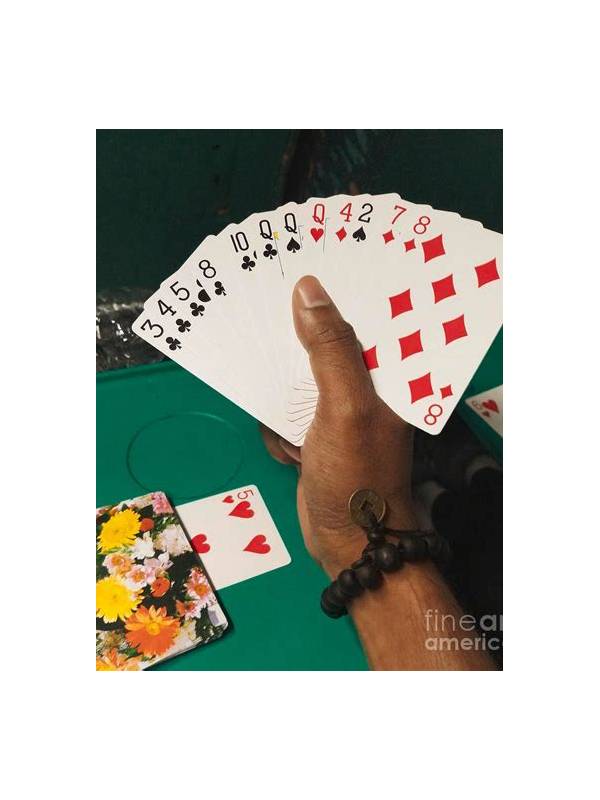
A useful rummy drill is to give yourself a fixed draw budget. Deal a sample hand, choose a target structure, and allow only a set number of imagined draws before you must reassess. The aim is not to simulate perfect odds. It is to practice noticing when a plan has consumed enough time without producing enough improvement.
For an easy exercise, allow five draws. Sort the opening hand into complete groups, developing groups, and loose cards. Write the specific improvements each developing group needs. During the drill, draw one random card at a time, make a legal discard, and update the list. At the end of each turn, state whether the original plan is stronger, unchanged, or weaker.
The budget creates useful pressure without turning the exercise into a race. If a group needs one exact rank and none arrives after several turns, you must compare it with another route. If a single draw opens two independent possibilities, note that its value comes from flexibility rather than immediate completion. The language of “stronger” and “weaker” is more informative than calling a draw lucky or unlucky.
Repeat the drill with different budgets. A two-draw budget highlights early prioritization; a seven-draw budget shows how a patient plan can still become expensive when it leaves high-point cards exposed. Keep the format consistent so that you can compare your decisions rather than changing every rule at once.
Add a second constraint once the basic drill feels comfortable. For example, allow yourself to rearrange the hand only after drawing, or require that every discard be justified in one sentence. Constraints should reveal a skill, not make the exercise confusing. If you lose track of the rule, simplify it.
Review the final hand by asking three questions. Which plan received most of the budget? What evidence supported continuing it? Which card should have triggered a reassessment? Avoid judging by whether the target structure appeared. A plan can be correct even when the random draws do not cooperate.
This drill is especially helpful for players who either abandon ideas too quickly or chase them too long. Change the target in later rounds so you practice pure sequences, point reduction, and fallback routes separately. A written budget makes patience measurable and gives commitment a limit. With practice, you will start assigning an implicit turn cost to every developing group, which leads to calmer decisions at a live table.
Related Post

Rummy Comparison: Grouping Order Versus Draw Order
Sorting a hand by possible groups and reviewing it by draw history reveal different information [...]
Rummy Safety: Recognize When a Competitive Table Feels Unhealthy
Clear boundaries and respectful conduct help keep competition enjoyable when a table becomes tense. [...]