Rummy Safety: Set a Pause Rule for Unexpected Payment Prompts
Unexpected payment prompts deserve a pause, even when they appear inside an app you recognize. A message about a bonus, verification, withdrawal, or account problem can create urgency and encourage mistakes. A pause rule gives you a fixed response before emotion or pressure takes over.
When a prompt appears, do not tap its link immediately. Read the wording and note what action it requests. Check whether the message appeared during a normal account flow or after an unsolicited notification. Prompts that demand an unusual fee, ask for a code by chat, or threaten immediate account closure should be treated as warning signs.
Close the prompt if possible and navigate to the service through its ordinary app menu or an address you already trust. Compare the account status there. Do not use a phone number, payment address, or website supplied only by the suspicious message. If you need support, find the contact method in the official help section rather than replying to the prompt.
Protect sign-in and payment information. Never share a one-time verification code with a person who contacts you, and do not save card details on an unfamiliar page. If a transaction has already been made, contact your bank or payment provider through its official channel and change the relevant password from a clean, trusted device. Review account activity for anything you do not recognize.
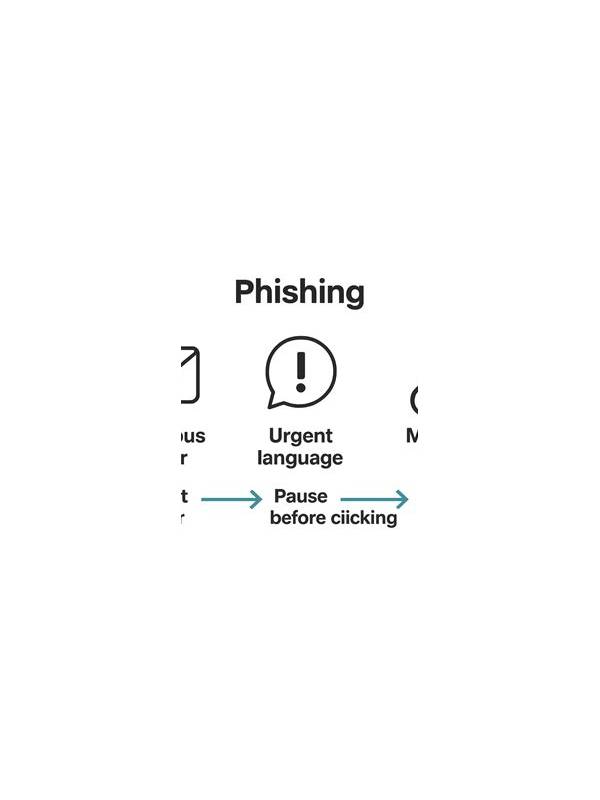
Make the pause rule concrete: stop, close, verify independently, then decide. You can also set a personal rule that no payment decision is made while playing, late at night, or under a countdown. Legitimate services should allow time to review a transaction. Pressure itself is information.
The rule does not accuse every prompt of being fraudulent. It simply separates a game decision from a financial decision. Keeping that boundary clear protects both your account and your ability to enjoy play within chosen limits.
If you are unsure whether a request is ordinary, delay it and seek confirmation from the provider’s published support channel. Do not let a reward, countdown, or claim of a locked withdrawal turn a financial choice into an emergency. Keep transaction alerts enabled where appropriate, and check statements regularly. These habits are useful even when no fraud occurred because they create a normal baseline for noticing unusual activity.
If a payment has already been authorized, avoid repeating it while trying to fix the first one. Save the transaction reference in a secure place and contact the provider through its normal support route. Keep the pause rule visible near the device if unexpected prompts are common. A written boundary is easier to follow than a promise made under pressure.
Related Post
Rummy Safety: Recognize Suspicious Support Messages
A cautious verification routine can separate a genuine support interaction from a message seeking account [...]
Rummy Comparison: Short Review Notes Versus Full Hand Logs
Short review notes are sustainable for routine practice, while full logs are better reserved for [...]