Rummy FAQ: Is Rank-First Sorting Better Than Suit-First Sorting?

Rummy FAQ: Is Rank-First Sorting Better Than Suit-First Sorting?
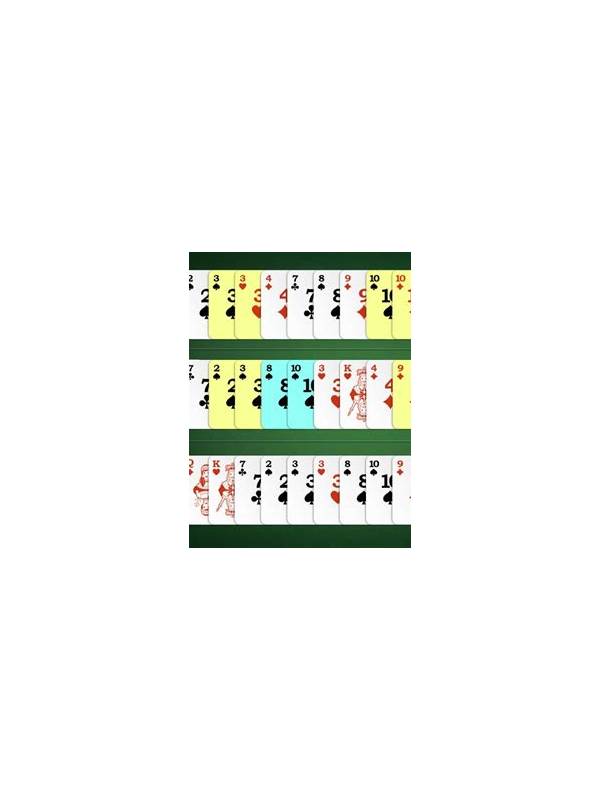
Neither sorting method is always better. Rank-first sorting makes pairs and triplets easy to spot, while suit-first sorting makes same-suit runs easier to inspect. The useful choice is the one that helps you see your strongest current combinations without creating confusion.
Rank-first sorting is convenient during an early scan. Matching ranks stand out immediately, and duplicate cards can be assigned to different possible groups. This layout is helpful when your hand contains several pairs or when you are deciding which duplicate has more value. Its drawback is that connected cards in one suit may be separated across the screen.
Suit-first sorting emphasizes sequence potential. Cards close in rank sit beside related cards from the same suit, so a run can be recognized quickly. This is useful after you have confirmed a sequence or when sequence-building is the main task. The drawback is that pairs across suits may become visually distant, making a set easier to overlook.
Try a two-stage routine. Sort by rank for the first inventory, marking confirmed groups and promising duplicates. Then switch to suit-first if the remaining cards contain several same-suit connections. You do not need to choose one layout for the whole hand. Reorganizing is valuable when it answers a specific question, but constant rearranging can consume attention and hide which cards are actually committed.
The interface also matters. On a small phone, a simple grouping convention may be clearer than a technically optimal sort. Leave a consistent gap between confirmed groups and uncertain cards. If the platform supports automatic sorting, verify what it does before relying on it; automatic order may change after every draw.
Sorting is an aid, not a strategy by itself. A neat row does not make a weak route stronger. After arranging, ask which groups are complete, which cards have multiple roles, and which card has the fewest useful futures. Choose the layout that makes those answers visible with the least mental effort. Try a temporary hybrid layout: keep confirmed sequences together, arrange the remainder by rank, and separate cards that have not earned a role. This avoids frequent full re-sorts while exposing important information. Before a declaration, return to the official grouping and verify every requirement carefully. Sorting habits cannot replace written rules, especially when a platform uses a variant with different sequence or joker treatment. A final check is safer than trusting visual familiarity.
Related Post

Rummy Safety: Keep Practice Stakes Truly Optional
Practice should remain useful even when no money is involved, and optional stakes should never [...]
Rummy Comparison: A Short Review or a Full Hand Log
Choose the right review format for the amount of time and learning detail you need. [...]