Rummy Practice: Use Deliberate Randomness in Sample Hands

Random practice hands can improve rummy judgment, but only if randomness is given a purpose. Simply dealing cards and counting wins may produce a noisy record. A better method is to use random hands while choosing one skill to examine in each round.
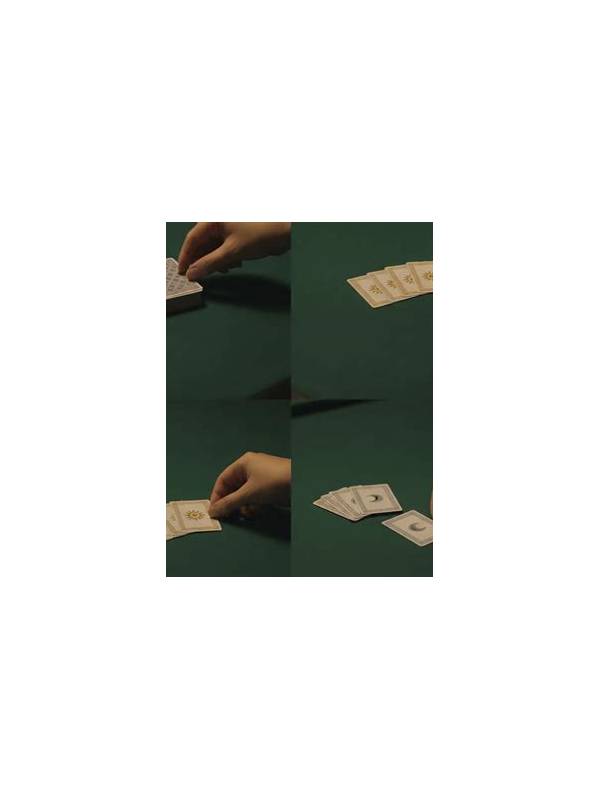
Start with a standard deck or an approved practice tool that matches the variant you want to study. Shuffle without trying to create a favorable opening. Deal a hand, then write down the cards before arranging them. This preserves the first impression and lets you compare it with your later grouping.
Choose one constraint for the round. You might test how quickly you can identify a natural sequence, compare two discard candidates, protect a completed group, or recover after a poor draw. Do not test every skill at once. A narrow question makes the result easier to interpret.
For each turn, record the draw, the discarded card, and one sentence explaining the choice. If you are practicing away from a live table, stop after a fixed number of turns and evaluate the hand state. The aim is to examine decisions, not to simulate every detail of an online game.
Add deliberate variations after the basic drill becomes comfortable. Deal a hand with many pairs, one with several high cards, or one with a promising but incomplete sequence. Keep the variations visible in the notes. This is not rigging the result; it is creating a sample that answers a specific question.
Review the hand without scoring yourself by outcome alone. Ask whether your grouping followed the rules, whether the discard had a clear reason, and whether you noticed a change in the strongest plan. A failed plan can still contain a good decision. A winning result can hide a careless one.
End each session with one adjustment for the next round. For example, you may decide to set a deadline for speculative pairs or to check for natural sequences before counting points. Repeating the same adjustment until it feels automatic is more useful than collecting a long list of vague tips.
Deliberate randomness keeps practice honest while giving it direction. You cannot choose the next card, but you can choose what to observe. That combination builds flexible habits that are less dependent on seeing the same comfortable hand repeatedly.
Stop the drill if it becomes frustrating or repetitive. A short break can preserve attention and make the next sample more informative.
Related Post
Rummy Guide: Use a Missing-Card Budget
Counting the number of missing links gives a rummy hand a practical measure of how [...]
Rummy Decision Quality on a Small Screen
Improve mobile play by separating visual accessibility problems from genuine strategic choices. [...]