Rummy Strategy: Compare Card Value With Information Value
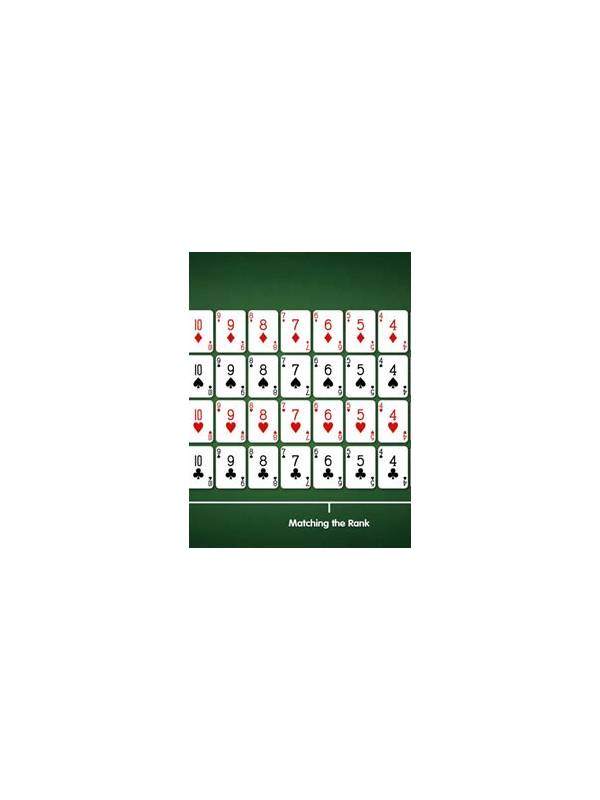
Card value has two dimensions in rummy. The first is its scoring value if left unmatched. The second is its information value: how much the card helps you understand your own plans or how much its discard may reveal to others. Considering both dimensions produces more careful choices.
Start with points. A high card that is not part of a convincing group is expensive to keep. Low cards are cheaper, but they are not automatically correct to discard if they connect several routes. Point count is a safety measure, not a complete strategy.
Now inspect structure. A middle suited card may connect to cards on both sides, while an edge card has fewer neighbors. A rank that appears in two possible set plans can also be flexible. Ask what the card does in your actual hand, not what it could do in an imaginary future hand.
Finally, consider information. Discarding a card from a suit or rank can make your direction more visible, especially when the discard pile is public. This does not mean you should keep every card to stay mysterious. Information value is a tie-breaker after completion distance and penalty risk. Holding a dangerous high card merely to hide your plan is usually poor protection.
You can practice by writing two reasons beside each candidate: “cost if kept” and “message if discarded.” Then choose the card with the weakest combined case for retention. Review the result later without assuming that a lucky draw would have made the alternative correct.
This framework is most helpful in close decisions. It keeps point safety, hand flexibility, and table awareness in the same conversation. Use it within the rules of the table and keep your play within the time and spending limits you set before beginning.
Information value should never outweigh account or personal safety. Do not reveal private details in chat to influence a table, and do not click a link merely because another player recommends it. Keep strategic observation inside the game interface. When the hand ends, review whether your notes improved a decision without encouraging overconfidence about what opponents held.
This method is particularly useful when two candidates have similar points and completion distance. It gives you a final practical question without pretending that table psychology is exact. If the information difference is unclear, ignore it and use the safer structural choice.
Keep a record only of information that affects play. Avoid collecting personal details about opponents or sharing observations outside the table. Good strategy uses public game signals, respects privacy, and remains focused on making your own hand more coherent.
Related Post
Rummy FAQ: Should You Draw From the Discard Area?
Decide whether a visible discard improves your plan enough to justify revealing interest. [...]
Rummy Practice: Use Deliberate Randomness in Sample Hands
Random sample hands become more useful when each practice round tests a clearly chosen decision [...]