Rummy FAQ: Can a Discard Be Good Even If It Helps an Opponent?
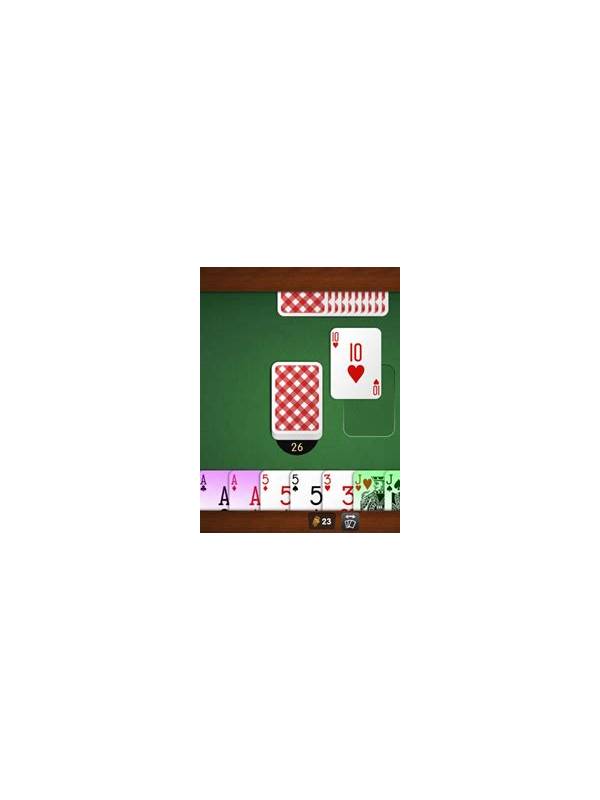
Can a discard be good even if it might help an opponent? Yes. Every discard can carry uncertainty, and refusing to release any card that another player might use can leave your own hand overloaded. The correct question is whether the discard is sensible under the information you have.
Start with your own hand. If the card has a high penalty, few connections, and no role in a realistic plan, keeping it only to deny a possible pickup may be costly. A card can be useful to someone else and still be your best discard. You cannot optimize your hand by imagining every opponent’s hidden arrangement.
Then inspect visible evidence. Has the same rank or suit appeared in the open pile? Have players repeatedly ignored related cards? These observations may change the risk, but they are not proof. A visible pattern should inform your comparison, not replace it.
Compare the candidate with the next-best discard. Consider points, future connections, replacement difficulty, and information cost. If the alternative is a flexible middle card that supports a strong plan, discarding the less connected card may remain correct even when the opponent could use it. If both choices are similar, visible opponent information can break the tie.
Avoid dramatic defensive play. Breaking a completed group or discarding a card that is central to your own plan merely to block a hypothetical opponent often sacrifices too much. Defensive choices should be proportionate to the evidence and the stage of the hand.
After the hand, review the decision without using the opponent’s actual result as the only test. If the discard helped them, ask whether that possibility was visible before the choice. If not, it may have been ordinary variance. If it was visible and you ignored a similar, safer candidate, record the comparison for future practice.
Good discarding balances personal progress with available information. The goal is not to prevent every opponent improvement. It is to make a decision that remains reasonable when the unknown parts of the table are honestly acknowledged.
The same principle applies when an opponent takes your discard. Record the visible fact, but do not invent a complete story about their hand. They may have used the card immediately, held it for later, or taken it simply because it was better than the closed draw. Keep your next choice grounded in your own updated hand and the rules.
That discipline limits hindsight and keeps review practical.
Related Post
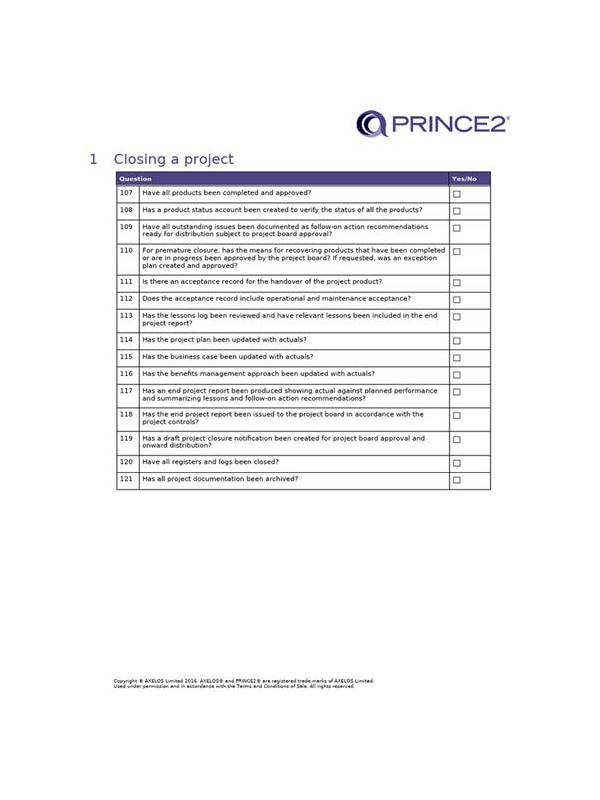
A Safe Checklist for Rummy Account Closure
Following a few verification and record-keeping steps makes closing an online rummy account more orderly. [...]
Rummy FAQ: Does a Recent Discard Reveal a Player’s Plan?
A discard can provide a clue, but treating one card as a complete read of [...]