Rummy Safety: Plan a Screen Break During Extended Practice
Long practice sessions can make small mistakes feel like strategic discoveries. After enough time looking at a bright screen, players may miss a discard, misread a timer, or continue playing simply because they want to recover from an earlier result. A planned screen break is a practical safety habit that protects attention without turning practice into a rigid exercise.
Set the break before you start. Choose a modest session length that fits your schedule, then decide where you will stop even if a hand is unfinished. If the table rules allow you to leave safely, finish the current decision and exit; if they do not, avoid joining a new table close to your limit. The purpose is to make the break a normal part of the plan rather than a reaction to frustration.
Use a visible reminder. A phone alarm, kitchen timer, or calendar notification can work, but keep the reminder separate from the game controls so it is not easy to dismiss without noticing it. When the signal appears, pause to record only the information you genuinely need: the format, the approximate result, and one decision you want to review later. Do not turn the break into an immediate replay of every turn.
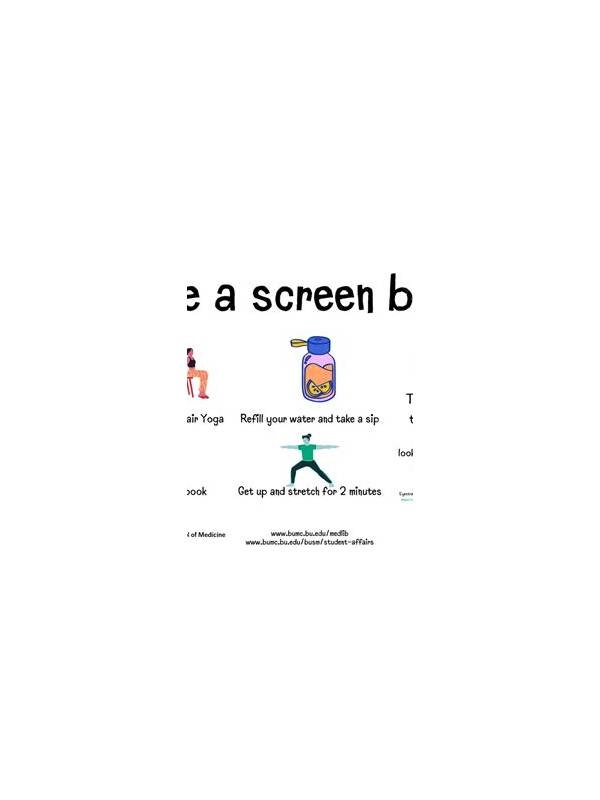
During the break, change both your eyes and your posture. Look at a distant object for a while, stand up, drink water, and walk a few steps. If your eyes feel dry, your neck is tense, or you are squinting at small cards, extend the break instead of treating discomfort as a challenge to overcome. Lowering screen brightness and increasing text size before the next session can also make the interface easier to read.
Pay attention to mental signals as well. Repeatedly refreshing a result, chasing a loss, rushing because of the clock, or feeling annoyed by ordinary outcomes are signs that continuing may reduce the value of practice. A break is not a penalty for poor play. It is a chance to reset your attention and decide whether you still want to continue under the same limits.
When you return, use a short restart check. Confirm the table format, review any time or spending limit, and ask whether you can describe your current plan in one sentence. If you cannot, spend a few minutes with a free or offline exercise rather than entering a pressured game. Never use a break to bypass limits you set for money, time, or wellbeing.
Keep a brief record of how the routine works. You might notice that a ten-minute pause is enough on one day but not another, or that late-night sessions produce more avoidable errors. Adjust the schedule based on comfort and concentration, not on the urge to play one more hand. Consistent breaks make practice more sustainable and help separate thoughtful learning from tired repetition.
Related Post
Rummy Turn Notes: A Simple Way to Track Useful Information
Learn how brief turn notes can improve memory and decision quality during a rummy hand. [...]
Rummy Strategy: Use a Three-Window Card Scan
A three-window scan helps organize a rummy hand before a draw creates new choices. [...]