Rummy Tips: Explain a Discard in One Neutral Sentence
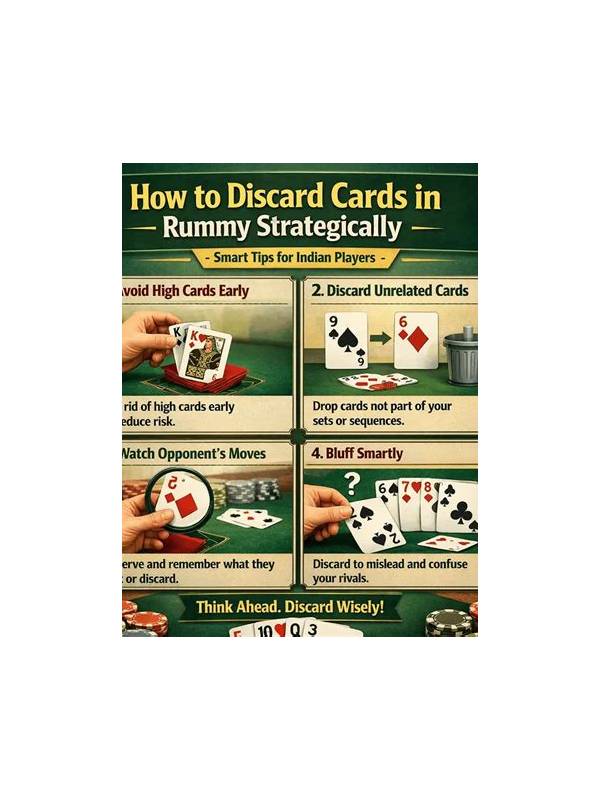
A short explanation can improve rummy review. After a discard, state the reason in one neutral sentence, such as “I released the isolated high card because it had no current route.” This exercise makes your decision visible and separates reasoning from the result of the round.
Keep the sentence factual. Mention the card’s role, the alternative you considered, or the risk you were managing. Avoid phrases such as “I always play badly” or “that draw ruined everything.” Those statements describe emotion, not a decision that can be examined.
Useful sentence patterns include: “I kept this card because it supported two routes”; “I discarded this pair because it blocked a required sequence”; and “I chose the lower-point card because the other card was easier to replace.” These are not universal rules. They are prompts that force you to identify the trade-off.
If you cannot explain the discard, record that honestly: “I was uncertain and chose the first visible candidate.” That is valuable evidence. It may show that the hand was crowded, the timer was low, or the rules were unclear. A later practice drill can target the specific problem rather than guessing at a broad weakness.
Review the sentence after the round and add one question. Was the connection count accurate? Did you protect a group without checking its legality? Did you ignore point exposure? Keep the question small enough to answer with one future exercise.
Do not use the sentence to justify chasing losses or to prove that a result was deserved. A sensible decision can lose, and a weak decision can work by chance. The habit is valuable because it records the process. Clear, neutral explanations make improvement practical and keep the tone of review calm.
If the table has chat or shared review, keep the sentence about your own decision rather than presenting it as universal advice. Different variants and hands can change the correct choice. Mark gaps in rules or timing without blame, then choose one small correction for the next practice session.
If the table has chat or shared review, keep the sentence about your own decision rather than presenting it as universal advice. Different variants and hands can change the correct choice. Discuss the underlying trade-off only if useful, and keep the learning objective focused on understanding one decision at a time.
Mark gaps in rules or timing without blame, then choose one small correction. That correction is more useful than a broad judgment about ability.
Related Post
Rummy Tips: Use Suit Distribution as a Planning Clue
Suit distribution can reveal which sequence plans are realistic and which are too narrow. [...]
How to Verify a Yono Rummy App Before Installing It
A practical verification guide for comparing Yono Rummy app listings, domains, publishers, permissions, and terms. [...]