Rummy FAQ: When Should You Stop Rearranging Your Hand?
When should you stop rearranging? Stop when the legal groups, shared cards, loose cards, and best current plan are clear enough to support a discard. Rearrangement is useful for discovering structure, but it becomes counterproductive when each new layout creates more hesitation without changing the choice.
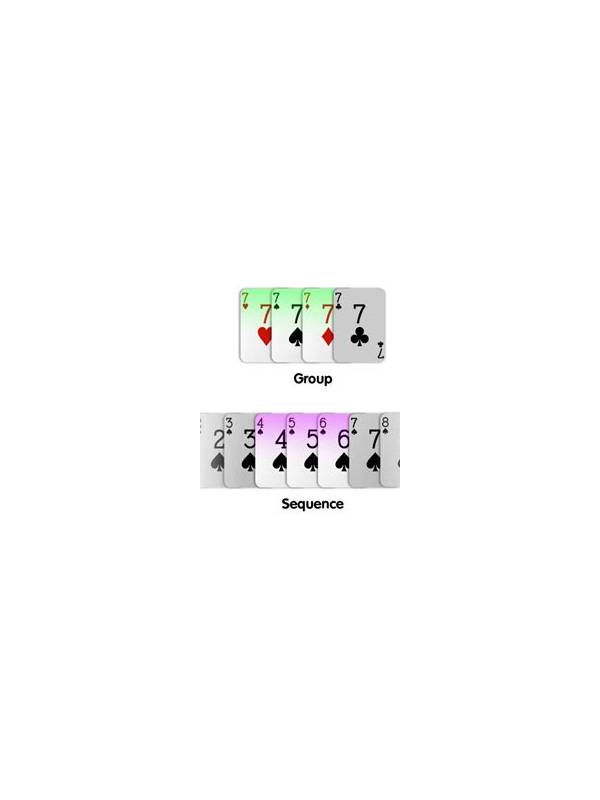
Use a fixed review order. First protect confirmed groups. Second inspect possible sequences and sets. Third mark cards serving more than one plan. Fourth identify loose or expensive cards. Finally check the variant’s declaration requirements. Once those passes are complete, compare the top two discard candidates.
Set a practical time limit based on the table’s clock. If you need more time than the turn allows, prioritize legality and penalty reduction. A perfect arrangement is not required for every turn. You can preserve a reasonable group and revisit the hand after the next draw.
You should restart the scan when a new card changes a confirmed group, breaks a required plan, or creates a substantially better route. You do not need to restart because a card can be placed in two slightly different positions. Record the shared role and continue.
Watch for warning signs: moving the same card repeatedly, checking the same two layouts without new information, or delaying because you want certainty. These signs call for a decision pause, not more rearrangement. Choose the simplest legal option that fits your current goals and accept that uncertainty is part of the game.
A clean stopping rule is: scan once, challenge once, compare twice, then act. Practice this sequence away from a live table so it feels natural. The aim is not speed for its own sake; it is to keep visual organization in service of a clear decision.
Practice with a timer shorter than a normal turn. Arrange a sample hand, complete the review order, and stop when time ends. Afterwards, check whether you missed a legal condition or merely wanted more certainty. Improve the checklist for the first problem; practice choosing between reasonable options for the second. Consistency turns the limit into a reliable live-play routine.
Practice with a timer shorter than a normal turn. Arrange a sample hand, complete the review order, and stop when time ends. Afterwards, check whether you missed a legal condition or merely wanted more certainty. Improve the checklist for the first problem; practice choosing between reasonable options for the second.
Consistency turns the limit into a reliable live-play routine that supports calm decisions, legal actions, and clear boundaries.
Related Post
Rummy Tips: Label Cards by Job, Not Just by Suit
Organize a rummy hand around each card’s current role to make useful changes easier to [...]
Rummy Guide: Test a Strategy With a Small Sample
A controlled mini-review can tell you whether a new habit is promising before you build [...]