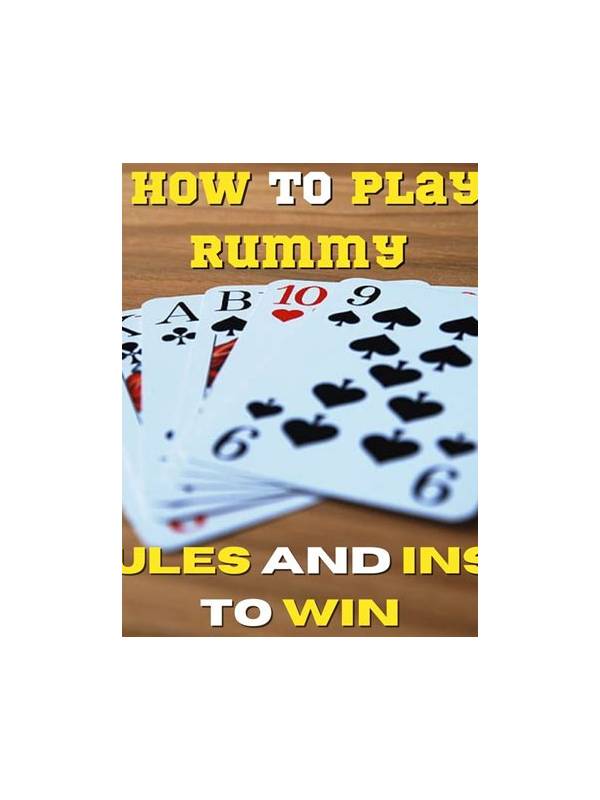
Rummy FAQ: Can You Improve by Watching Without Playing?
Watching a rummy hand can be useful, but passive viewing rarely produces much learning. If you want observation to improve your play, make predictions before decisions happen and compare them with what actually follows. The exercise should make you reason, not simply remember who won.
Choose one player or one skill to follow. You might track how a player protects a sequence, how they respond to a discard, or how they manage a difficult timer. Watching everything at once creates too much information and makes your notes vague. A focused lens gives the session a clear purpose.
Before each visible turn, pause if the setting allows it and write your own expectation. Which cards seem connected? What would you discard from the visible information? You do not need to announce the prediction. Its value comes from creating a testable record before the result is known.
When the player acts, record the difference between your expectation and the action. Avoid labeling the move immediately as smart or foolish. First describe it accurately. Perhaps the player protected a pair you overlooked, or discarded a card that seemed flexible because another constraint was hidden by the rules. Observation should increase your awareness of possibilities.
At the end, review three moments. Identify one prediction that was well supported, one that relied on an assumption, and one decision you still cannot evaluate with the available information. That last category matters: visible play does not reveal the entire hand, and certainty about hidden cards is usually unjustified.
Watching is especially helpful before entering an unfamiliar format because it lets you notice timing, declarations, and table procedures without immediate pressure. Combine it with hands-on practice later. The strongest learning loop is predict, observe, explain, and then test the explanation in your own play. Respect the difference between observation and coaching. If you are watching a real table, do not interrupt a player with your prediction or reveal information they did not ask for. In a private learning session, agree on pauses and discussion beforehand. A calm observer can learn a great deal while still allowing the hand to unfold naturally for everyone involved. If the viewer cannot see every card or action, mark those gaps in the notes. A prediction made from incomplete coverage should carry lower confidence. This small habit prevents hindsight from making the player’s choice look obvious after the fact. It also teaches an important table skill: knowing when the available evidence is insufficient.
Related Post
Rummy Comparison: Open Versus Closed Draw Information
Comparing open and closed draws helps players balance useful information against hidden possibilities. [...]
Rummy How-To: Build a Last-Card Verification Routine
A final-card check can catch incomplete groups and avoidable declaration mistakes before you confirm a [...]