Rummy Safety: Create a Stop Signal Before Playing
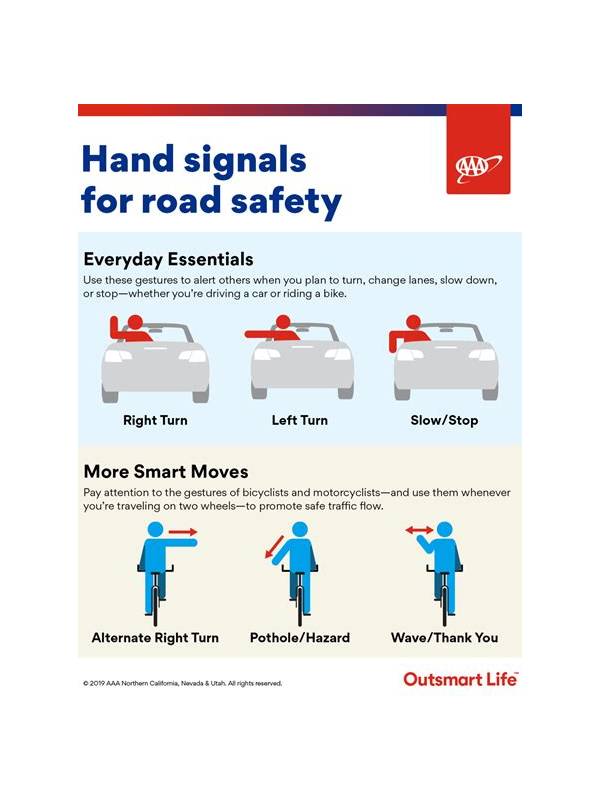
A stop signal is a simple condition that ends a rummy session without requiring a fresh debate in the middle of play. It might be a clock time, a number of rounds, a fixed budget, or a physical cue such as a phone alarm. Deciding it before playing matters because tired or frustrated players often move the goalposts.
Choose one primary signal and one backup. A primary signal could be “stop after 45 minutes,” while a backup could be “stop after two completed rounds.” Keep both clear and measurable. Avoid rules such as “stop when I feel satisfied,” because feelings change after a win, a loss, or an almost-successful hand. If the game cannot end immediately, decide whether you will finish the current hand and then leave.
Write the signal somewhere visible if you are playing online or with friends. Tell other players at the beginning so your departure is not surprising. If money or paid entries are involved, separate the time signal from the spending limit. Reaching one limit should not become a reason to continue toward the other. Play only where the activity is permitted for your age and location, and treat recreational spending as money that can be lost.
Notice warning signs that deserve an earlier stop: rushing decisions, trying to recover a loss, hiding the session from someone, or repeatedly ignoring the planned limit. A stop signal is not a test of willpower. It is a guardrail that reduces the number of decisions you must make when focus is low.
Afterward, review whether the signal worked. If you regularly override it, make the next rule earlier or add practical friction, such as removing a saved payment method or scheduling a different activity. The aim is a predictable, comfortable session rather than maximum playing time. If you play with others, agree that anyone may use their stop signal without having to justify it. A respectful table makes breaks ordinary and avoids turning a departure into a challenge. For solo play, pair the signal with a next activity such as a walk, meal, or offline task. This gives the session a natural ending. If the planned signal repeatedly fails, change the environment and reduce access to the trigger. Supportive design is more reliable than shame. You can place the signal in a calendar reminder, but keep the reminder separate from any financial prompt. A time limit should never encourage a last-minute deposit or rushed attempt to recover. If you feel unable to stop, step away and contact someone you trust or a local support service. Responsible play includes choosing not to play. The purpose of a stop signal is to protect ordinary leisure, relationships, and finances before a session becomes emotionally or financially demanding.
Related Post
Rummy Comparison: Holding a Joker or Using It Early
The choice between saving a joker and using it depends on structure, legality, and future [...]
Rummy FAQ: Why Is a Three-Card Group Not Always Enough?
A three-card group can be useful while still failing to satisfy the complete validity requirements [...]