Rummy How-To: Compare Two Candidate Discards
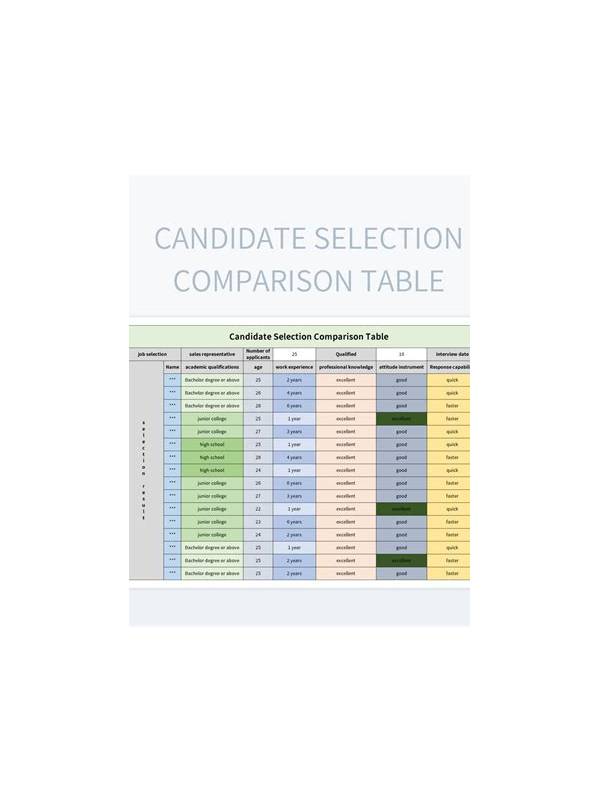
When two cards appear equally disposable, guessing can make a rummy turn feel harder than it is. A small comparison table in your head can separate the choice into structure, points, information, and future flexibility. The goal is not perfect certainty; it is a consistent way to make the better-supported discard.
First compare structure. Which card belongs to fewer realistic groups? A lone card with no neighboring rank and no useful set connection is usually weaker than a card that can still join a sequence. Be honest about realistic groups. A theoretical connection that needs several exact events should not receive the same weight as a card already adjacent to a useful sequence.
Next compare penalty. If the round ends before the card finds a home, which one costs more to hold? This matters especially when the cards have different point values. Point value should not automatically decide the turn, because a low-point card can be vital to structure, but it is a useful tie-breaker when plans are otherwise similar.
Third consider information. A discard may reveal something about your plan or give another player a useful pickup. You cannot know another hand completely, so avoid dramatic assumptions. Instead ask whether one card is visibly connected to common sequences or has just been rejected by the flow of play. This is evidence, not certainty.
Finally compare flexibility after the discard. Which choice leaves a hand that is easier to read on the next turn? A simpler hand reduces decision fatigue and makes future draws easier to evaluate. If both cards still look close, choose one using the rule you can explain, then record the result during review. A repeatable decision is easier to improve than an unexplained instinct. Additional review note: keep the comparison concise and repeatable during practice. When reviewing the choice later, do not ask only which card would have won. Ask whether the comparison used the information available at the time. A discard can be reasonable even if the next draw would have helped the other candidate. Record the evidence, the chosen trade-off, and one condition that would have changed your mind. This creates a useful review note without pretending that hidden cards were knowable. With repetition, the method becomes quicker and more natural under normal play conditions. In a close call, clarity about the trade-off is itself a useful outcome because it gives the next review a specific question to test.
Related Post
Rummy Comparison: Flexible Hands Versus Focused Hands
Compare flexible and focused rummy plans by their ability to adapt, complete, and recover from [...]
Rummy Guide: Use a Missing-Card Budget
Counting the number of missing links gives a rummy hand a practical measure of how [...]