Rummy FAQ: How Much Should the Discard Pile Matter?
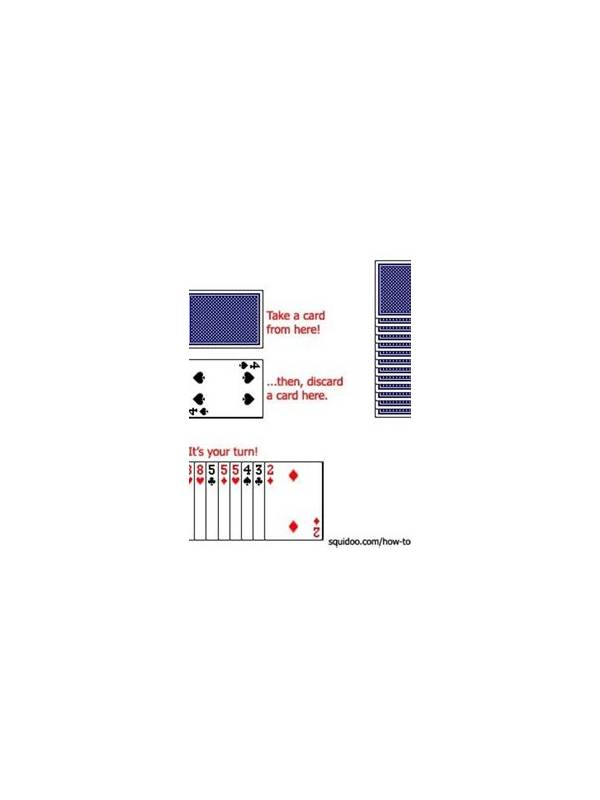
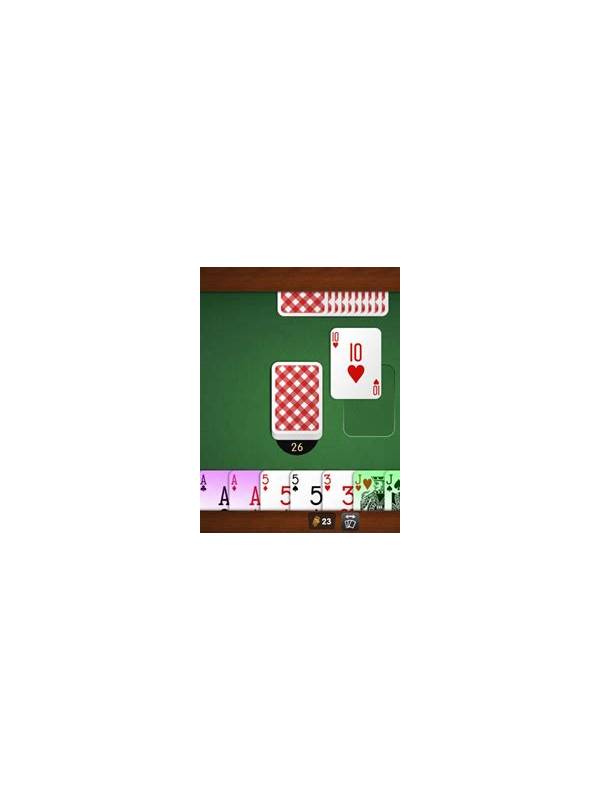
The discard pile matters because it shows which cards have entered play and which cards players chose not to keep. It is useful evidence, but it is not a complete map of anyone’s hand. A sensible approach gives the pile enough attention to improve a decision without turning every discard into a puzzle about an opponent.
Start with direct information. If a card you need has already appeared in the discard pile, reduce its priority. Do not assume it is impossible to obtain in every variant, especially when multiple decks or special rules apply. Next, observe patterns: repeated ranks, a suit being released, or a player taking a card from the pile. Patterns can suggest possibilities, but they remain uncertain because a player may change plans.
Use the pile most strongly when comparing close choices. If one candidate discard is likely to help a visible sequence and another has no apparent connection, the second may be preferable. However, do not sacrifice a strong structure merely to deny a speculative card. Your hand’s own development usually provides better evidence than an elaborate guess about another player.
Avoid reading emotion into pauses, speed, or a single pickup. Online play can include connection delays, interface habits, and timing differences that have nothing to do with strategy. Focus on observable card movement and the rules of the table.
The discard pile should answer three questions: what useful cards are less available, what cards might be attractive to another player, and whether a candidate discard changes the risk of your hand. If it cannot answer one of those questions, return your attention to structure. Good observation supports a plan; it does not replace one. The pile’s value depends on the format. A pile may be visible in one variant and handled differently in another, while extra decks or wild cards change what an earlier discard tells you. Learn the actual table rules before applying an observation habit. During review, mark facts separately from interpretations: “card was discarded” is a fact; “the player cannot use it” is an interpretation. That separation prevents useful attention from becoming overconfidence. A useful notebook format has three columns: visible fact, reasonable possibility, and action taken. For example, a visible card was discarded; one sequence may have become less likely; the player kept a flexible card. This structure prevents the possibility column from being mistaken for certainty. It also makes review faster. If your action was based on a possibility, note what evidence would have confirmed or weakened it. Observation should improve your own choices even when an opponent’s hand remains unknown.
Related Post
Rummy Empty-Slot Decisions: Choose Which Gap Deserves a Draw
A gap-by-gap method helps players compare competing combinations before spending another draw. [...]
Indian Rummy Table Etiquette for Online Players
Clear, respectful habits make online rummy tables easier to follow for everyone. [...]