Rummy Hand Checkpoints: Divide a Round Into Useful Review Moments
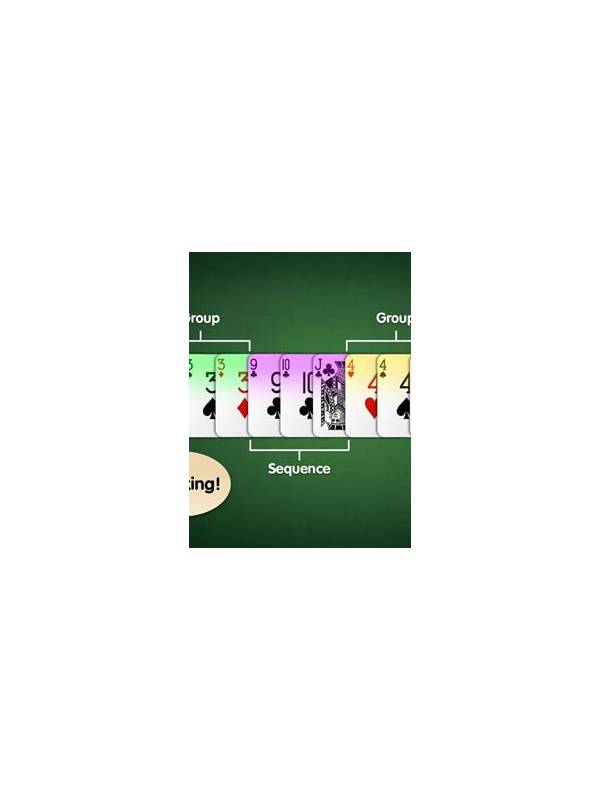
Continuous analysis is tiring and can make a player chase small changes. Checkpoints offer a better rhythm: review the hand at meaningful moments, then return attention to the immediate turn. The exact timing depends on the format, but the principle works for practice and live play.
Useful moments include the opening hand, after the first meaningful improvement, after two unhelpful draws, and when the hand enters an endgame. You can also review after a major visible change. Avoid setting so many checkpoints that every turn becomes a full analysis.
At each checkpoint, identify complete groups, the strongest partial plan, the loosest cards, and the next review trigger. Consistent questions make changes visible. If the answer is unchanged, that is information too: the hand may need patience, or it may be carrying an idea that stopped earning protection.
In the opening, preserve flexibility while learning the hand. In the middle, compare completion distance and carrying cost. Near the end, prioritize legality and confirmation over attractive rearrangements. A checkpoint should reflect the phase rather than apply one strategy mechanically.
For practice, record a one-line state such as “two groups stable; one pair speculative; release if next draw is blank.” After the round, compare the plan with what happened and adjust checkpoint timing. Checkpoints are most useful when they have a trigger and a limited question. “Review everything constantly” is not a checkpoint; “after two blank draws, compare the weakest group” is. Keep the opening review focused on rules and structure, the middle review focused on progress and carrying cost, and the endgame review focused on legality and confirmation. If a major event occurs before the planned checkpoint, move the review forward. During practice, write the state in one line and avoid recording every thought. Later, compare the checkpoint notes with the actual changes in the hand. You may discover that you need an earlier review after a duplicate draw or a later one when the hand is already clear. Checkpoints also help with emotional control because they provide a planned place to reconsider instead of reacting after every disappointing card. Their purpose is rhythm: observe, choose, release, and update at moments that genuinely matter.
They also create a consistent review habit that can be improved over time.
Related Post
Rummy Privacy Safety: Limit What Notifications Reveal
Small notification settings can reduce the chance that account activity and personal details appear on [...]
Rummy How-To: Review a Hand Using Three Timelines
Looking at a rummy hand before, during, and after the turning point reveals different lessons [...]