Rummy Guide: Use a Route Scorecard Before You Draw
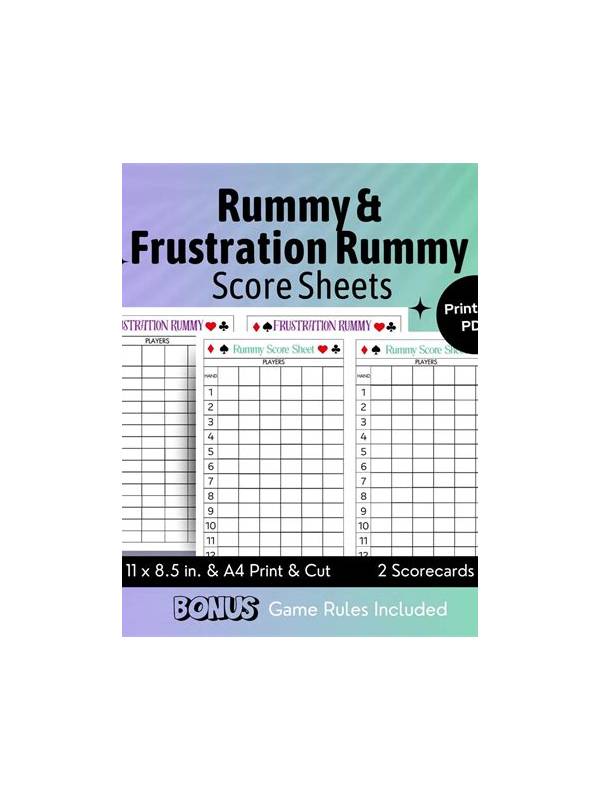
Many rummy decisions feel difficult because several cards appear useful at the same time. A route scorecard gives each possible plan the same small set of questions. It does not predict the next card, but it can prevent a hopeful combination from receiving more attention than a practical one.
Start by naming two or three routes in plain language. A route might be “build a same-suit run,” “complete a set,” or “protect a nearly finished sequence.” Avoid writing every theoretical combination. The scorecard is useful only when it stays short enough to use during a real turn.
For each route, record four items. First, note how many cards already fit. Second, list the exact ranks or suits still needed. Third, mark whether a fallback exists if the next draw misses. Fourth, estimate the cost of keeping the cards that do not belong to the route. A route with two fitted cards may look attractive, but if it needs one exact rank and leaves a high card stranded, its total score may be weaker than a less dramatic route.
Use a simple scale such as low, medium, and high rather than pretending to calculate precise odds. “High flexibility” means several future cards can help. “Low waiting cost” means the unrelated cards are not dangerous to hold briefly. “Clear fallback” means you can redirect without rebuilding the whole hand. These labels are decision aids, not guarantees.
Update the scorecard after a meaningful draw or discard. A card that changes one route may also change the cost of another. This is why an old plan should not remain the default merely because it was the first idea. Cross out stale notes and write the current version. The goal is a fresh comparison, not a record of every thought.
In practice, the scorecard is most useful when two routes look almost equal. It slows impulsive commitment by asking what happens after an unhelpful draw. It also makes a good discard easier to explain: you are releasing a card with a high holding cost from a route that has few realistic improvements.
Keep the method brief. If a scorecard takes longer than the available decision window, reduce it to three columns: cards that help, cards still needed, and fallback. The best tool is the one you can apply consistently while preserving attention for the rest of the table.
Related Post
Rummy FAQ: What Does a Dead Stock Mean for Your Plan?
A shrinking stock changes the value of every hopeful draw and should trigger a simpler [...]
Rummy Tips: Track Discarded Rank Frequency
Counting repeated discarded ranks can reveal which draws are becoming less attractive and which assumptions [...]