Rummy Safety: Keep Personal and Game Data Separate
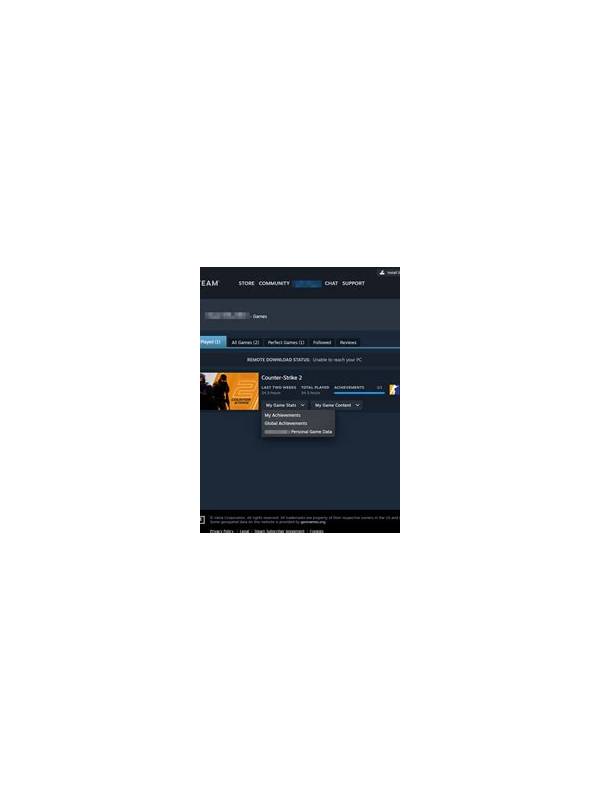
Strategy notes can help a player learn, but they should not contain information that could expose an account. Keep card observations, decision labels, and practice lessons separate from passwords, payment records, identity documents, and private messages. A useful note can describe a choice without identifying the person or account behind it.
Use neutral details such as “opening hand,” “narrow draw,” or “discard after two blanks.” Do not copy a login screen, transaction reference, verification code, or full username into a strategy journal. If a screenshot is necessary for a rules question, crop the hand and hide every unrelated field before saving it.
Choose storage carefully. A shared device, public note, or automatically synchronized folder may expose information to people who do not need it. Lock the device, use a protected notes area when available, and delete temporary screenshots after the lesson is complete. Avoid sending sensitive material to informal table chats or unknown support contacts.
A simple naming convention helps too. Label a file by date and practice topic rather than by account or payment detail. Review old notes periodically and remove anything that has become unnecessary. Data minimization reduces the consequences of a lost phone or accidentally shared document.
The separation also improves learning. When personal details are removed, a review can focus on decision quality: what was seen, what was chosen, and what changed. Keep a short, private record of strategy and a separate, secure record for account administration. This small boundary protects both privacy and the clarity of the practice process.
Before sharing a lesson, read it as if a stranger had found it. Could the text identify a person, a specific account, or a transaction? If so, generalize the details or remove the note. Keep only what is needed to reproduce the learning point. A phrase such as “the discard was too costly after two blank turns” preserves the strategy without exposing the surrounding account activity. This review is especially important when using screenshots, cloud notes, or community discussions. Privacy is easier to maintain when the default record contains minimal personal information from the beginning. Good notes preserve the lesson while discarding unnecessary exposure. That is a useful standard for every device, folder, and conversation used during practice. Separate notes also make deletion and access reviews much easier over time. Minimal records are safer to store, review, share, and eventually remove from devices. Privacy reviews are easiest when they become a routine before sharing.
Related Post
Rummy Strategy: Read Pickup Signals Without Overreading Them
Learn how to use another player’s pickup as one clue while keeping your own hand [...]
Rummy Tips: Make Discards Easy to Reconstruct Later
A consistent discard habit improves both immediate clarity and later hand review. [...]