Rummy Tips: Check Your Hand From the Finish Backward
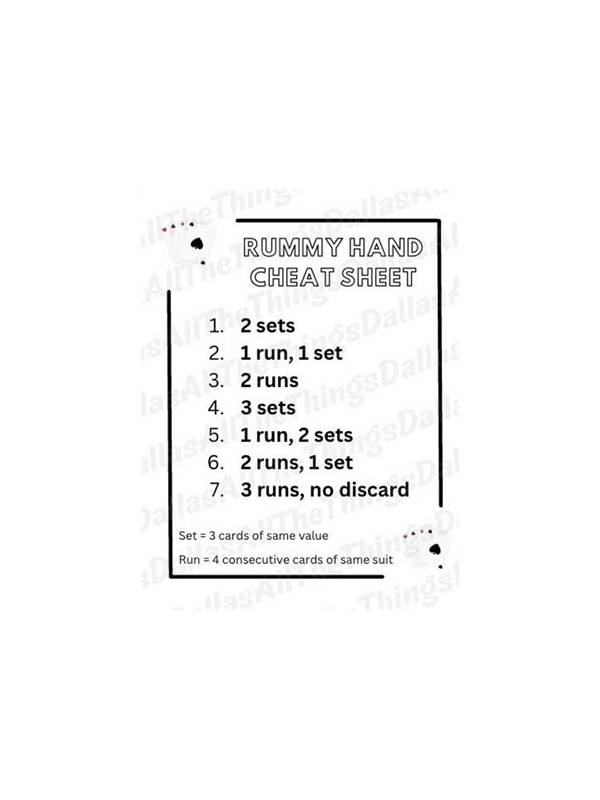
Forward thinking asks what each new card might join. That is useful early, but it can miss the requirements of the final declaration. A backward check begins with the finish: what groups must exist, which one is required, and what cards remain unassigned? The method is a short audit, not a prediction.
First, state the declaration conditions in plain language. Then count the groups already complete and identify the group closest to legality. For every partial group, name the exact missing rank, suit, or natural card position. If a group has no clear legal completion, move it into the speculative area rather than allowing it to define the hand.
Next, look at the unassigned cards. Can each one be placed into a legal group without breaking a required sequence? If not, choose the weakest card for review. This often exposes a hidden problem: a player may have several attractive pairs but no practical way to use all of them in the final arrangement.
Repeat the check after a joker draw, a major completion, or a late-stage discard. The hand may look better while still failing one essential condition. Backward checking is particularly valuable before declaring, when a few seconds of confirmation can prevent an avoidable error.
During practice, write the finish in a small checklist and compare it with your forward plan. If the two views disagree, trust the written rules and investigate the difference. The exercise trains a valuable habit: build possibilities freely, then test them against the actual finish. That balance keeps creativity from replacing legality and makes endgame decisions calmer.
The backward check is also useful when a tempting card arrives late. Instead of asking only whether it matches something, ask whether it can replace a card in the finish already under construction. If the answer is no, the new card may be a distraction even when it has attractive neighbors. If it completes a legal group but breaks the required condition, keep the requirement in control. In practice, a thirty-second final audit can be reduced to three words: required, complete, loose. Repeating that sequence builds a reliable bridge between a creative middle game and a careful declaration. Use the same three-word audit in practice until it becomes automatic. It is brief enough for a timed turn and specific enough to catch missing requirements. Backward checking is simple, repeatable, and especially valuable before submission. The finish should guide the decision, even when a new card looks attractive.
Related Post

Rummy App Data Usage: Keep Mobile Sessions Predictable
A few device and app settings can make mobile rummy sessions easier to monitor on [...]
Rummy Strategy: Use Suit Distribution to Find a Safer Plan
Looking at how cards are distributed across suits can expose concentration, gaps, and practical sequence [...]