Rummy Safety: Set a Cooling-Off Rule for In-Game Spending
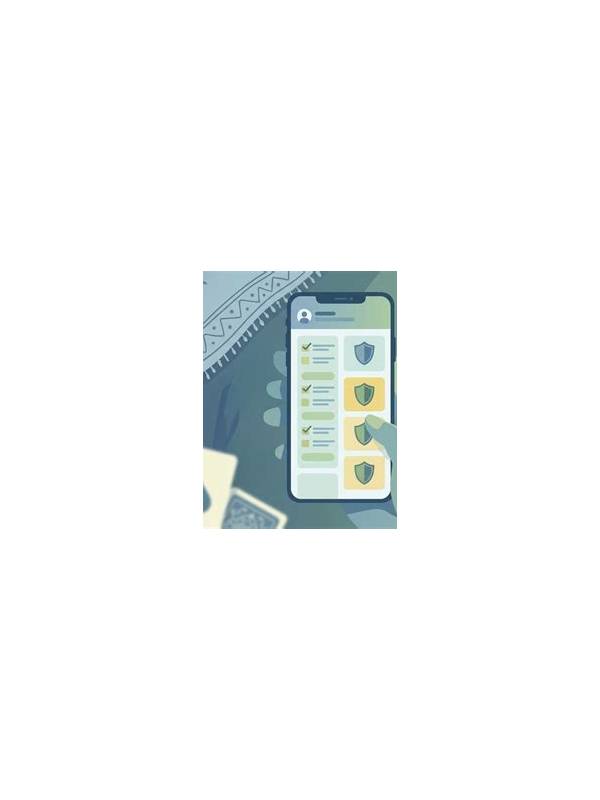
Money decisions are harder when they happen immediately after a frustrating hand or an exciting win. A cooling-off rule is a personal safety boundary that requires you to pause before adding funds, entering another paid table, or increasing a stake. Decide the rule while calm, then follow it when emotions are louder.
Make the rule specific. “I will be careful” is difficult to apply. A usable version might require a ten-minute break after a loss, a review of the session budget before any reload, or no additional spending after a chosen number of rounds. The exact boundary is yours, but it should be clear enough that you do not have to negotiate with yourself in the moment.
Separate entertainment funds from essential money. Never use funds needed for food, housing, bills, debt payments, or planned commitments. If an app or payment page makes it hard to understand the amount being charged, stop and confirm the currency, transaction total, and any applicable fee before proceeding. A confusing interface is a reason to pause, not a reason to click quickly.
Use practical friction. Remove saved payment details if they encourage impulsive deposits. Turn off promotional notifications that arrive during your normal rest hours. Keep a simple written session limit outside the game so the current balance does not become the only reference point. If the platform offers deposit limits, loss limits, or self-exclusion tools, learn how they work before you need them.
Notice warning signs: chasing a previous loss, hiding activity from someone you trust, borrowing to continue, feeling unable to stop, or treating a win as permission to raise the budget. These are signals to end the session and seek support, not challenges to overcome with a new strategy. Consider contacting a local gambling-support service or a trusted person if spending is becoming difficult to control.
A cooling-off rule does not predict results and does not make paid play risk-free. It simply protects decision time. Write the rule down, set a timer when the pause begins, and return only if the decision still fits the original budget. If it does not, the safest choice is to stop.
A break should mean leaving the table, not opening another paid game while waiting. Drink water, walk briefly, or contact someone outside the game. When the pause ends, review the written limit and the reason you wanted to continue. If the reason is mainly to recover a loss, extend the break. The safest budget decision is made with ordinary attention and no sense of emergency.
In a review, distinguish what you knew from what you learned later. Public cards, table messages, and the rules page are evidence only when they were visible before the choice. This habit keeps practice fair and makes the lesson transferable. A compact note about the decision, the available alternatives, and the next checkpoint is enough to guide the next session without turning a single hand into a fixed rule.
Related Post
Rummy Card Roles for a Flexible Opening Layout
Give each opening card a temporary role so sorting supports decisions without locking the hand [...]
Rummy Comparison: Open Melds Versus Hidden Possibilities
Compare the clarity and flexibility of exposing a group with the value of keeping a [...]