Rummy Practice: Predict the Next Discard Category
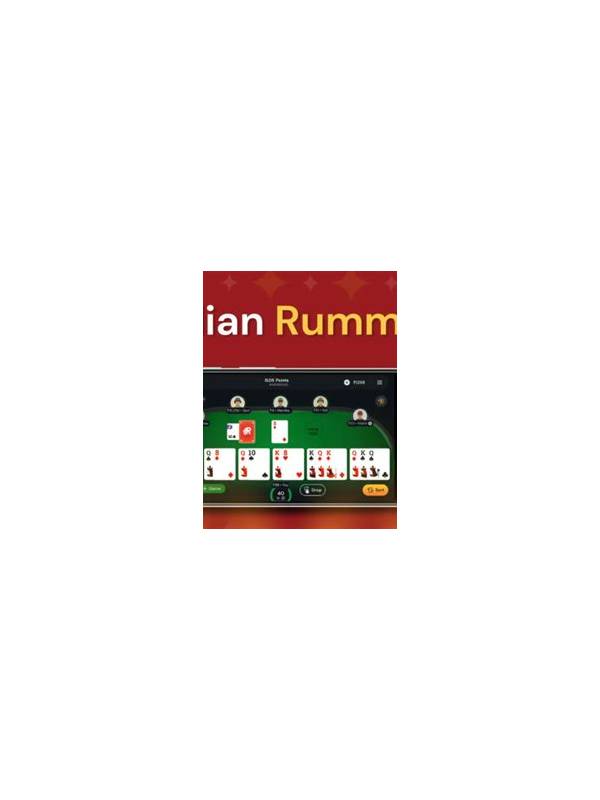
You can practice rummy decision-making without playing a full hand. In this drill, pause after reviewing a sample hand and predict the category of your next discard before revealing or drawing another card. The category might be isolated high card, duplicate, narrow connector, or excess card from a confirmed group.
Begin with a small set of cards from a completed example or a legal random deal. Sort the cards once, then give yourself thirty seconds to identify firm groups and unfinished routes. Write one predicted discard category and one reason. Do not try to guess the exact card if the exercise is meant to develop structure awareness.
Reveal the next card or simulate the next turn. Compare the new information with your prediction. If the new card changes the hand, record whether the original category still makes sense. A good prediction is not one that survives every surprise; it is one that was based on the information available at the time.
Repeat the exercise with a stricter rule: state the strongest reason to keep your predicted discard. For example, an isolated high card may still be a useful insurance card if it connects to a broad route, while a low card may be excess if it supports nothing. This prevents labels from becoming automatic shortcuts.
Keep a simple scorecard with three columns: prediction, evidence, and outcome. After ten drills, look for patterns. Do you discard too quickly when a card is not part of a sequence? Do you protect pairs that never become useful? Do you fail to notice when one card serves two routes? These observations are more valuable than a win-loss result because they show how your reasoning behaves.
Practice with different hand shapes and variants, and confirm the local rules first. Stop when the drill becomes tiring; fatigue can make the exercise measure attention rather than skill. Over time, predicting a discard category encourages a calm question before every choice: what job is this card doing, and is that job strong enough to keep it?
To keep the drill fair, reveal information in the same order each time and write your prediction before checking the answer. Add difficulty later with a short timer or hands containing two competing routes. Record confidence beside each prediction: a low-confidence answer supported by evidence is more useful than a high-confidence guess based on one attractive card.
In a review, distinguish what you knew from what you learned later. Public cards, table messages, and the rules page are evidence only when they were visible before the choice. This habit keeps practice fair and makes the lesson transferable. A compact note about the decision, the available alternatives, and the next checkpoint is enough to guide the next session without turning a single hand into a fixed rule.
Related Post
Rummy How-To: Build a Personal Decision Vocabulary
A small set of consistent terms can improve communication, review, and focus during rummy practice. [...]
Rummy Guide: Use a Three-Stage Plan for the Middle Game
Divide the middle game into assessment, selection, and execution so an unclear hand becomes manageable. [...]