Rummy Rule Notes for Avoiding Variant Confusion
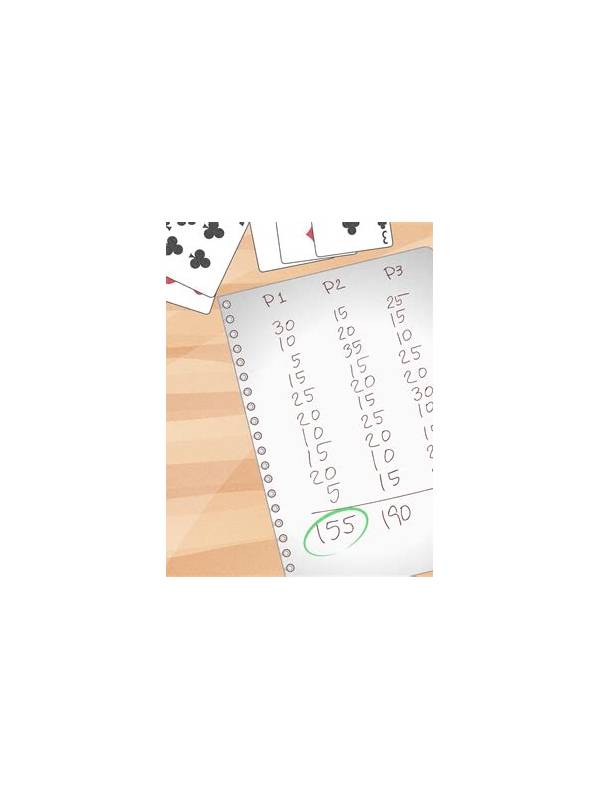
Many online rummy errors happen before strategy begins. A player recognizes the broad game but assumes that a familiar scoring method, joker rule, or declaration requirement also applies. A short rule note can prevent that confusion without requiring a long study session.
Write down the format name and the objective in one sentence. Is the round decided by points, a target score, elimination, or a fixed number of deals? Then note the hand size and the number of players if the table displays them. These details affect how quickly a hand changes and how much value to place on reducing points versus completing groups.
Record the definition of a valid group next. Confirm what counts as a sequence, whether suits must match, how sets handle repeated ranks, and how many groups are required. Pay special attention to pure or natural sequences and to whether a joker may substitute in each kind of group. A joker that is useful in one structure may be restricted in another, so avoid relying on general memory.
Add the draw-and-discard order. Some interfaces make the sequence obvious, while others show several buttons at once. Note whether the open pile can be taken only from the top, whether taking it reveals anything, and whether the player must discard after drawing. If the timer expires, check whether the action is cancelled, an automatic move is made, or the round ends.
Scoring deserves its own line. Write the value of unmatched cards, any cap on a losing hand, and the effect of a valid declaration. Do not infer financial consequences from a score display; if a table involves money, review the current terms, eligibility, fees, and withdrawal rules separately. Rules can change between services and regions.
Before joining, read the help panel or official rules for the exact table. If something remains unclear, choose a practice mode or ask support a precise question. During the first round, compare the interface behavior with your note. Update the note afterward with one correction, not a page of speculation. This small habit turns variant changes into manageable information and keeps strategy focused on the rules actually in force.
Keep the note short enough to use. A few accurate lines beside you are better than a copied rulebook that cannot be scanned under pressure. Date any saved version, because an old note can be as misleading as a memory.
Related Post

Rummy Comparison: Silent Observation Versus Written Tracking
Silent observation is quick, while written tracking can improve recall when the hand becomes complex. [...]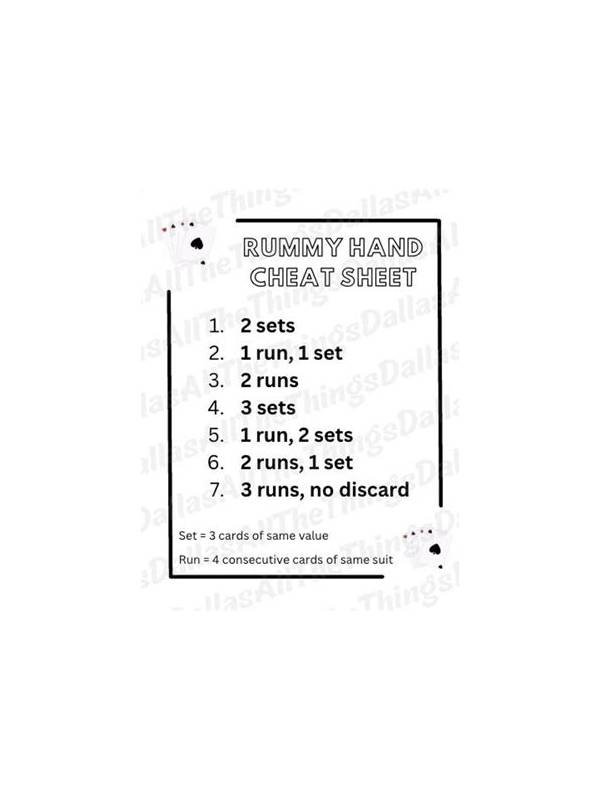
Rummy How-To: Audit a Hand After an Accidental Rearrangement
A quick post-error audit helps restore a rummy hand without turning one accidental tap into [...]