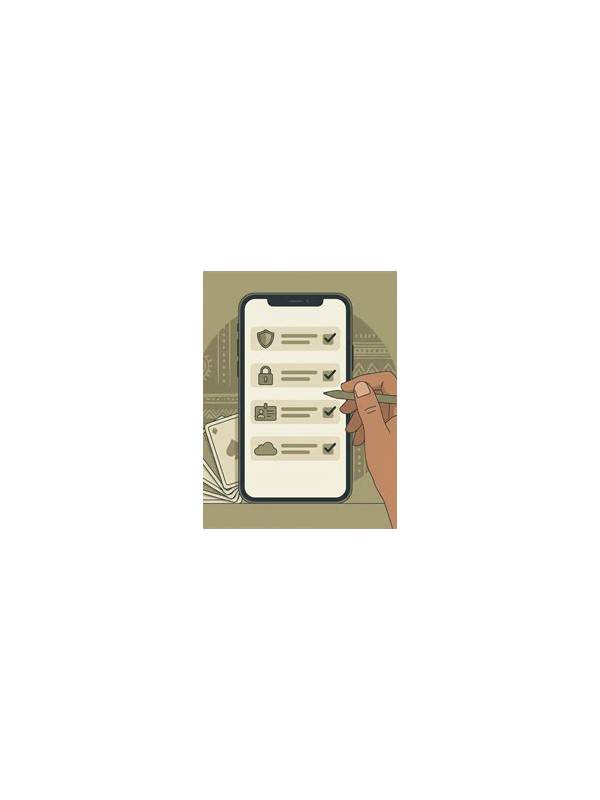
Rummy Guide: Set an Evidence Threshold for Changing Plans

Changing a rummy plan too often creates clutter, while refusing to change can turn a weak idea into a costly commitment. An evidence threshold is a simple standard for deciding when a new card or table event deserves a fresh plan. It gives you a consistent pause without demanding certainty.
Choose a threshold that matches the kind of plan. A confirmed legal group may require strong evidence before you break it. A speculative pair may require only one clear sign that another route is better. The threshold can also change with time: late in the hand, a narrow route may need more immediate support because there are fewer opportunities left.
Use categories of evidence rather than a single lucky draw. Strong evidence may include a card that completes a legal group, a rule clarification that changes what is possible, or a new route that uses several cards already in your hand. Weak evidence may be a card that merely resembles a missing link or a guess about what another player holds. Both can prompt attention, but they should not carry the same weight.
When a new card arrives, ask three questions. What did it improve? What did it weaken? What remains unresolved? If the improvement is local but the whole hand becomes harder to arrange, the threshold for switching has not necessarily been met. If the new card removes a major conflict and creates a legal, low-risk route, it may have been met.
Write the threshold as a sentence before practice: “I will change this route when it loses its second useful connection,” or “I will reconsider this group if keeping it leaves two high-point singles.” Concrete wording makes review easier. After the hand, check whether you changed too early, too late, or at a sensible point based on the information available then.
An evidence threshold is not a prediction tool. It cannot know which unseen card will appear. Its purpose is to make your process stable under uncertainty. When the threshold is met, compare options calmly. When it is not met, continue with the current plan while monitoring the stated condition. That balance protects both flexibility and focus. State the evidence threshold before the hand, not after the outcome. Retrospective thresholds often move to make a decision look better than it was. A prewritten standard keeps the review tied to information that was genuinely available at the time.
Related Post
Rummy Comparison: Visual Clutter Versus Useful Grouping
The best rummy layout makes important relationships visible while leaving weak assumptions easy to challenge. [...]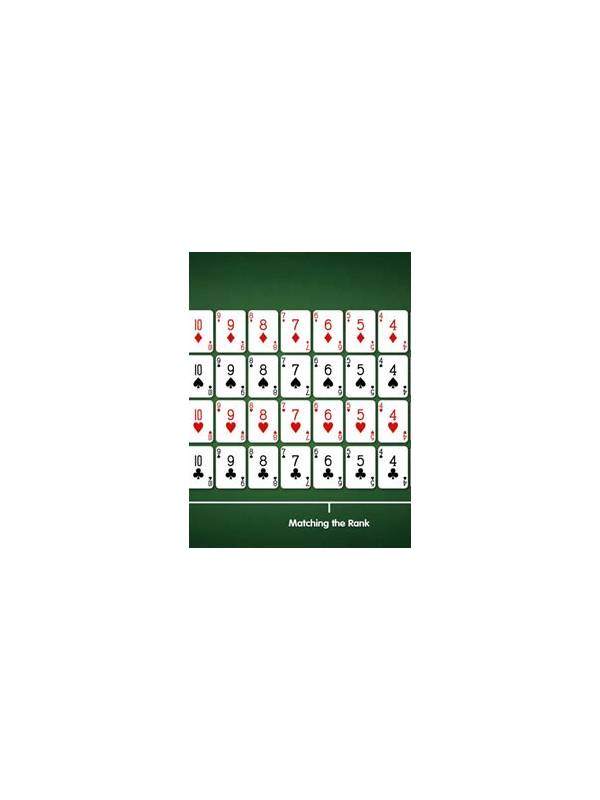
Rummy Strategy: Compare Card Value With Information Value
The best discard is influenced by both its points and what it tells other players [...]