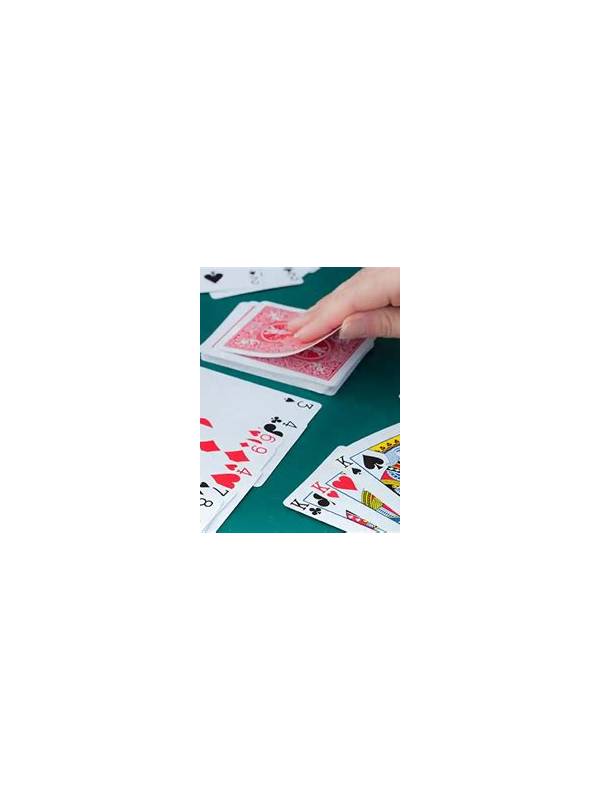
Rummy Draws: Known Cards and Hidden Possibilities
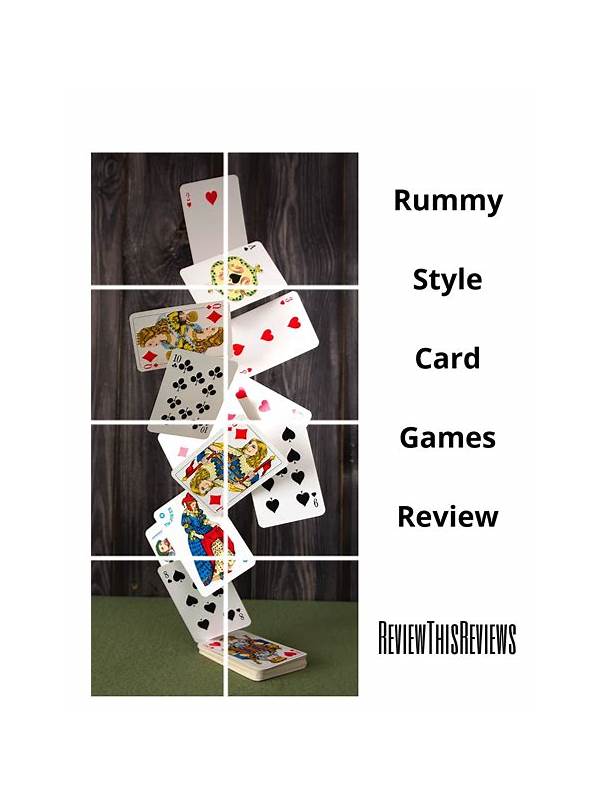
The open discard pile and the closed draw pile offer different kinds of information. One shows a known card and a trace of other players’ choices; the other hides the card but preserves uncertainty. Comparing them clearly helps prevent a common error: treating the visible option as automatically better.
An open draw has immediate certainty. You know exactly which card will enter your hand, so you can test its place before taking it. The pile also provides public evidence. A sequence of discarded cards may suggest that certain routes are less popular or that a player is releasing a suit. However, evidence is incomplete. Players can change plans, discard defensively, or follow rules that limit their choices.
A closed draw offers possibility rather than certainty. It may produce the card your hand needs, but it can also create another loose card. Because no specific card is visible, it reveals less about your own future and usually less about opponents’ intentions. Its value rises when many different cards would improve your arrangement and falls when your plan needs one narrow rank.
Use a simple comparison. What exact improvement does the open card create? How many unseen cards could provide a comparable improvement? What information would taking the open card reveal to others? Finally, what would you discard after either choice? A visible card that improves one pair but forces you to retain an expensive singleton may be weaker than an uncertain draw with many acceptable outcomes.
Do not overread the pile. A card’s absence is not proof that it is unavailable, and a discard is not proof of a player’s complete plan. Use open information to update a flexible estimate, not to construct a story with certainty. The best draw often balances immediate hand value with the quality of information you are willing to expose.
This comparison is especially helpful when the visible card is merely convenient. Place it into a complete mental arrangement, identify the resulting discard, and then perform the same exercise with a closed draw as a range of outcomes. Even a rough comparison can reveal that the obvious button solves less than it appears to solve. Use the information to improve your process, not to make confident claims about unseen hands.
Related Post
Rummy Safety: Use a Private Review Space
A private review space helps players learn while reducing accidental exposure of account and gameplay [...]
Rummy Comparison: Closed Planning Versus Adaptive Planning
Compare committing early with updating your plan as new cards reveal better options. [...]