Rummy How-To: Create a Decision Log With Four Labels
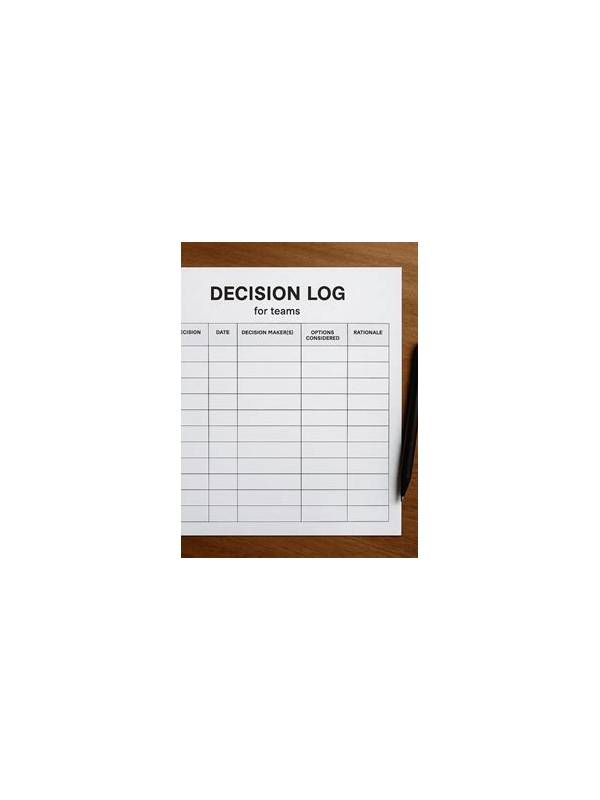
A decision log is useful when it captures reasons rather than every card movement. For practice, label important choices with one of four tags: build, protect, reduce, or reset. These labels make later review quicker and help reveal whether your decisions follow a consistent process.
Use build when you keep or take a card because it strengthens a realistic group. Write a short note such as “build: extends two-way sequence.” Use protect when you avoid discarding a card because it might help an opponent or because it preserves a strong completed structure. Protect should be based on visible information, not fear of every possible pickup.
Use reduce when you discard to lower point exposure or remove a disconnected card. This label is especially helpful late in a round, when preserving every speculative plan is less important than limiting the cost of an unfinished hand. Use reset when a new card or failed draw causes you to abandon the previous plan and reorganize.
Do not use labels to defend a result. A decision can be tagged build and still be unsuccessful. The review question is whether the reason was reasonable with the information available at the time. Separate process quality from the luck of the next draw.
After several rounds, count the labels. Too many build choices may mean you are collecting plans without closing them. Too many reduce choices early may mean you are giving up useful flexibility. Frequent resets can indicate that your initial plans are too narrow. These patterns are prompts for adjustment, not scores of personal ability.
Keep the log private and brief, especially if the game involves other people. Do not record personal or financial information unnecessarily. A few reliable notes can show how you think under pressure and give your next practice session a specific target.
For example, a short entry might read: “reset after two missed connectors; kept low-point flexible card; did not verify final grouping.” That sentence is enough to identify a future exercise. Practice recognizing stalled plans, then separately practice declaration checks. Avoid adding exact usernames, balances, contact details, or screenshots that expose another player. The log is a learning aid, not an account record, so review it when rested and delete notes that no longer help a current skill goal. Keep wording neutral so a future reader can understand the choice without knowing the result. This protects against hindsight and makes the log useful after both wins and losses.
Related Post
Rummy Sets Versus Sequences: A Decision Guide for Beginners
Compare sets and sequences by their role in a valid hand, not by which group [...]
Rummy Strategy for Choosing Between Two Pair Connections
Use a simple comparison method when two pairs both look promising but only one can [...]