Rummy Comparison: Card Count Versus Structure
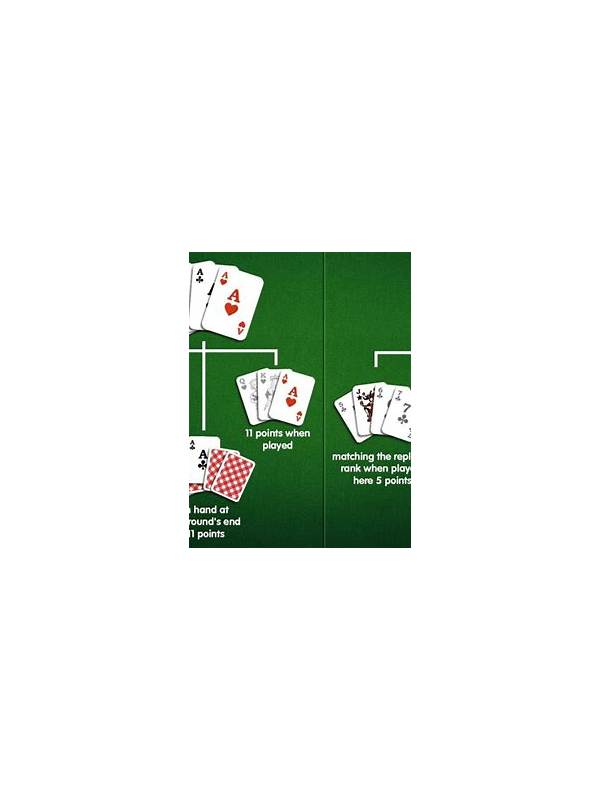
Counting loose cards is a useful first check, but it is not a complete measure of hand quality. A hand may contain only two loose cards and still depend on narrow, fragile groups. Another hand may look messier while offering several credible routes. Comparing count with structure produces a more balanced review.
Card count answers a simple question: how many cards currently lack a role? Fewer is generally encouraging because the hand has less work to do. However, count does not show how difficult that work is. One unresolved card may need an exact draw, while three loose cards may be flexible and easy to release.
Structure describes the quality of the groups around the loose cards. Check whether a group is legal, how many additions it needs, whether those additions are broad or narrow, and whether the group interferes with another plan. A complete foundation can be more valuable than a pair of attractive but competing connections.
Use a two-part snapshot after each important draw. First write the loose-card count. Then write one sentence about the strongest and weakest group. For example, “Two loose cards; the sequence foundation is secure, but the set route needs one exact rank.” This takes less time than calculating a detailed score and provides more context than count alone.
When choosing between discards, ask what the count will hide. Discarding a card may reduce loose count while breaking a broad connector. Keeping it may leave the count unchanged but preserve several routes. Compare the next decision, not only the immediate appearance of the hand.
The comparison also helps in post-hand review. If the final hand had a low loose-card count but failed to finish, inspect the structure that remained unresolved. If the count was high but the hand improved quickly, identify which flexible cards provided the recovery. These observations can guide practice targets without treating one result as proof of a universal rule.
Count is a useful signal, not a verdict. Pair it with legality, flexibility, and timing. The strongest hand is usually the one whose remaining work is both limited and realistically repairable.
When practicing, make two snapshots of the same hand: one using only loose-card count and one using count plus structure. Compare the decisions each snapshot suggests. If the richer snapshot changes your choice, identify which structural fact mattered. That exercise shows how quickly a simple metric can become misleading when it is separated from legality, timing, and the quality of the groups around it.
Related Post
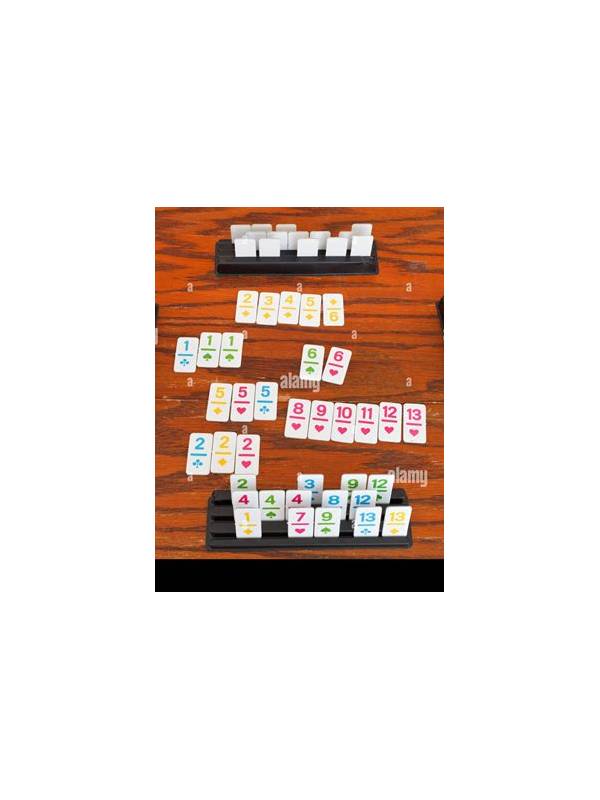
Rummy Table Safety: Avoid Playing While Distracted
A quick distraction check helps players protect attention, privacy, and session boundaries while using an [...]
Rummy FAQ: What Is a Useful Way to Handle a Dead Draw?
A dead draw is a chance to reset your evaluation, reduce exposure, and choose the [...]