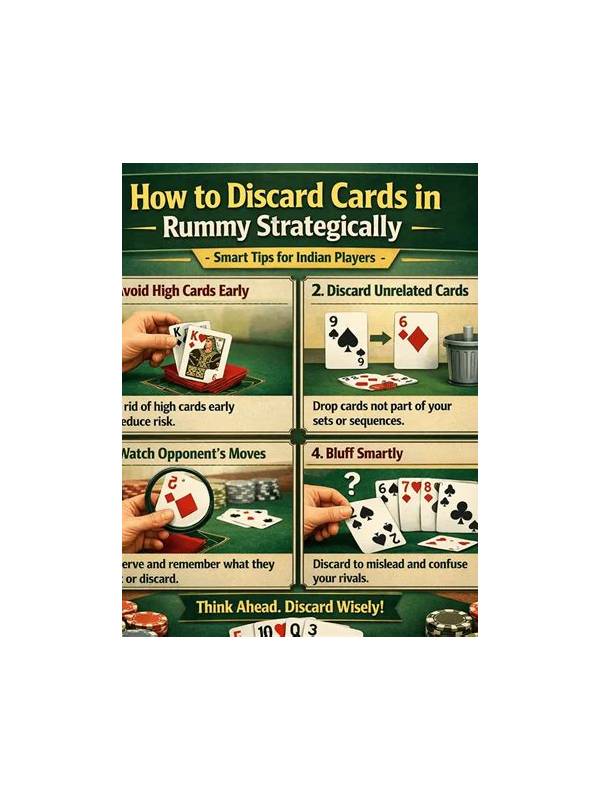
Rummy Tips: Keep a One-Line Reason for Each Discard
Recording a one-line reason for a discard is a compact practice exercise. The reason does not need to be perfect. It only needs to state what you believed at the moment: “narrow connector,” “duplicate high card,” or “protects the stronger sequence.” This makes later review more useful than simply remembering whether the hand won.
Keep the reason factual and short. Avoid labels such as “bad luck” or “terrible draw,” because they describe emotion rather than the decision. If the discard was made to reduce points, say so. If it was made because a needed card appeared unavailable, write that down. Clear language reveals the assumptions behind your choice.
After the hand, compare the reason with the result. A discard can be reasonable even if the discarded card later would have helped. Conversely, a winning result does not prove that every decision was sound. Ask whether the information available at the time supported the choice. This separates process quality from outcome noise.
Over several sessions, look for repeated patterns. You may discover that you keep high cards too long, abandon pairs too quickly, or treat one visible discard as conclusive evidence. The notes turn these habits into specific practice targets. You do not need a detailed journal; a few words beside the important decisions are enough.
This exercise is also useful for maintaining calm play. When every discard has a reason, a surprising result becomes feedback instead of a personal judgment. The goal is not to defend every choice, but to make your reasoning visible enough to improve. Keep the note private and practical. You do not need to record the entire hand, the other players, or every card in the pile. One line is enough to preserve the decision’s central assumption. If a choice had two competing reasons, record the reason that won and the risk you accepted.
After several hands, sort the notes by theme: timing, point control, sequence building, or emotional reaction. A theme that appears repeatedly is a better practice target than a single dramatic mistake. This lightweight review can improve consistency without turning a recreational session into a burdensome study project. If writing is impractical during play, reconstruct the lines immediately afterward. Mark only decisions where you felt uncertain or changed direction. The exercise is most valuable when it captures a repeatable choice pattern, not when it produces a complete historical record of every hand.
Even a rough reason is more useful than no record at all.
Related Post
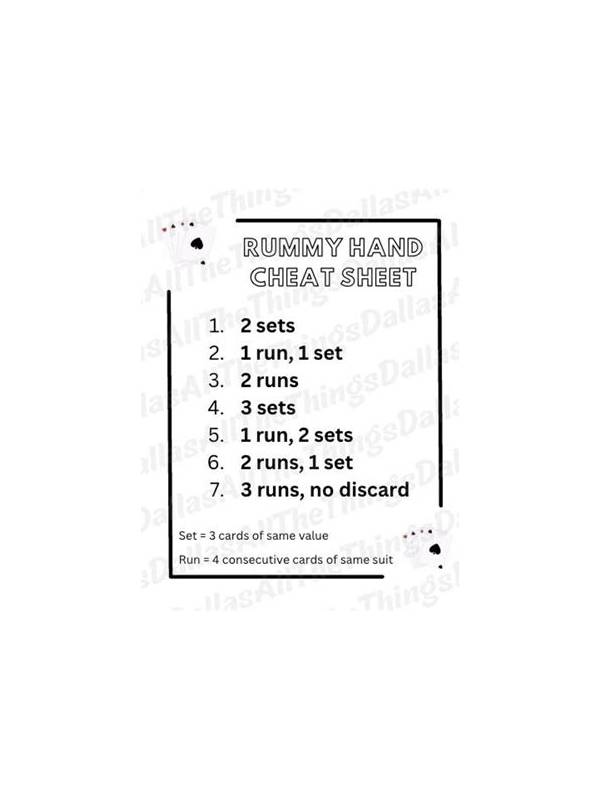
Rummy Guide: Separate Card Value From Card Familiarity
A familiar card can feel valuable even when its current job is weak, so evaluate [...]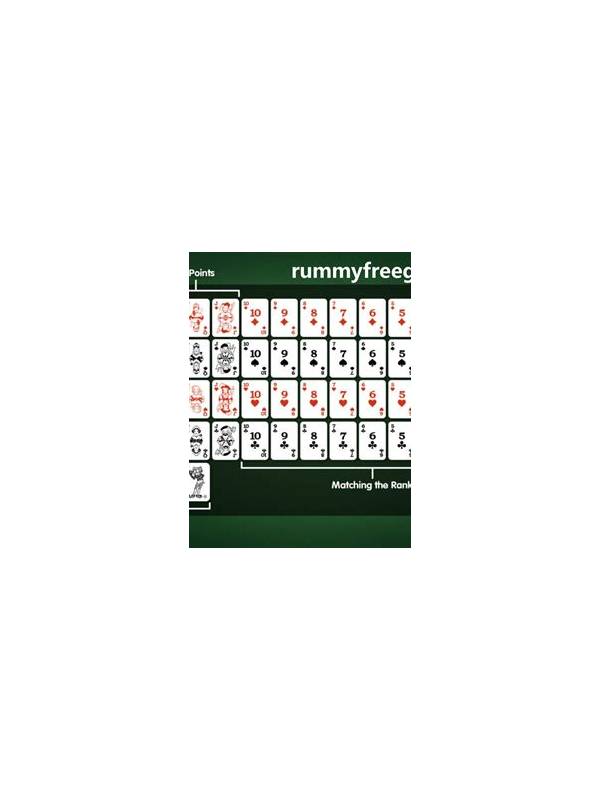
Rummy How-To: Rehearse a Declaration Before Submitting It
A short verbal or written rehearsal can catch missing groups before you make a final [...]