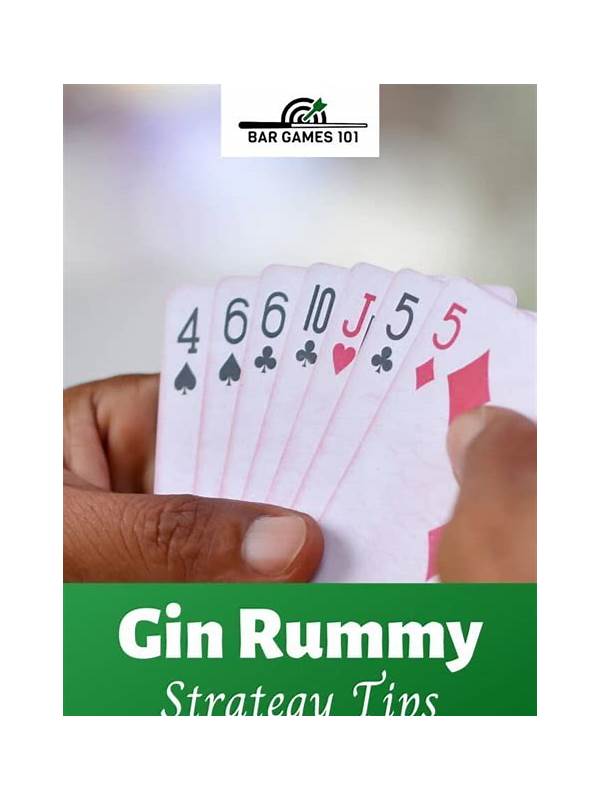
Rummy Guide: Run a Final Hand Review
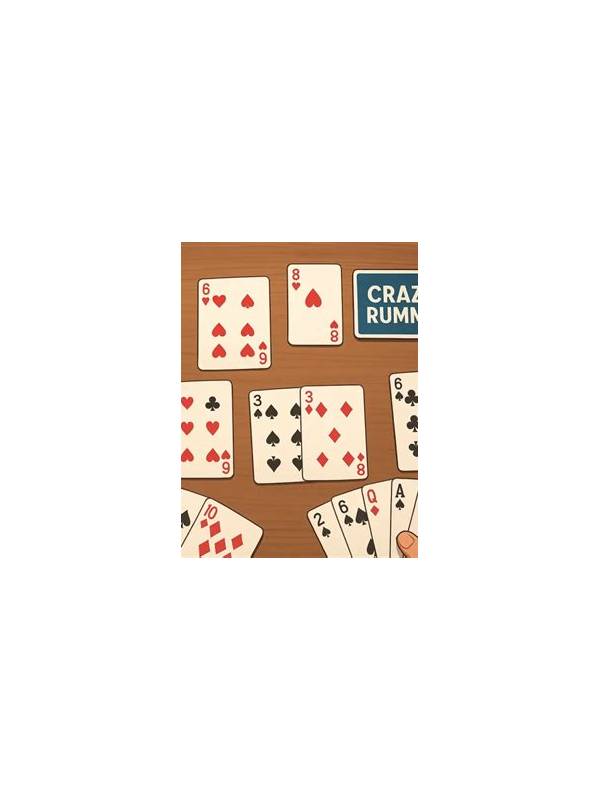
Near the end of a rummy hand, excitement can make a nearly correct arrangement look finished. A small checklist slows the final decision without adding unnecessary complexity. It is especially useful when a valid declaration requires specific structures.
First, identify every group you intend to submit. Name the cards in each group and confirm that no card is being counted twice. A shared card can make two groups look complete when only one can actually use it. Separate confirmed groups from groups that are still only possibilities.
Second, check the required sequence conditions for the format. Some versions require a pure sequence, while others have additional rules about sets, jokers, or the number of groups. Do not rely on memory if the app provides a rule screen. Reviewing the current rules is faster than repairing an invalid declaration.
Third, inspect every leftover card. If one card is ungrouped, ask whether it should be discarded or whether it belongs in a different arrangement. Look for a joker being used where a natural card is required. Also confirm that a group has the right number of cards and that repeated ranks or suits are allowed under the rules you are playing.
Finally, verify the action itself. Check that you have drawn and discarded in the expected order, and that the declaration control is the correct one. A checklist should take only a few seconds. Its value comes from catching simple structural and interface errors before they become expensive. You can practice the checklist away from a live table by dealing a sample hand and announcing a mock declaration. Explain why each group qualifies and identify any card that depends on a joker. This exercise reveals which rules you know clearly and which ones you only remember vaguely. Keep a short reference for variant-specific details.
Do not let speed pressure remove the final review entirely. If the table clock is short, use a condensed version: confirm the required pure structure, count each card once, and inspect the leftover. A consistent three-point check is more reliable than relying on the visual appearance of a neatly arranged hand. The review can be silent if the table is fast. Scan the required structure, card count, joker use, and action control in the same order every time. A fixed order reduces the chance that excitement will make you skip the one check most relevant to the format.
Related Post
Rummy Draw Choices: When the Discard Pile Is Worth Considering
Rummy Draw Choices: When the Discard Pile Is Worth Considering offers practical guidance for clearer, [...]
Rummy Comparison: Manual Notes Versus Memory at a Mobile Table
Comparing memory with brief manual notes shows when recording visible information can improve mobile rummy [...]