Rummy Comparison: Physical Cards Versus Digital Sorting Tools
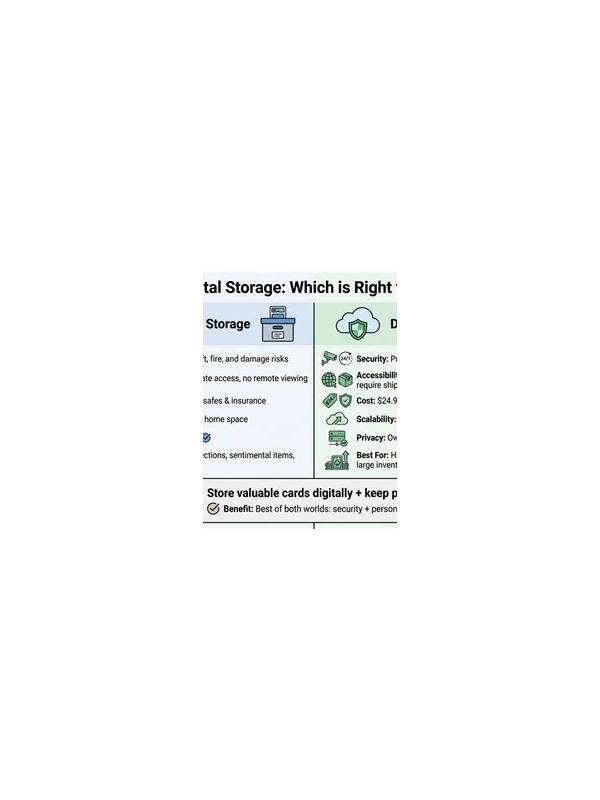
Physical cards and digital tables can teach similar rummy principles, but they create different decision environments. Understanding the difference helps you transfer skills instead of assuming that comfort in one setting guarantees readiness in the other.
Physical cards make sorting tactile. You can spread groups, move a card between plans, and see the entire hand at once. This is useful for learning structure and noticing duplicate ideas. However, physical play also requires you to manage the deck, the discard pile, and turn order yourself. Small handling mistakes can distract from the strategic decision.
Digital tools often sort or highlight cards quickly. They may display the discard pile clearly, enforce turn order, and reduce arithmetic errors. These conveniences let you focus on choices, but they can hide weak habits. If the interface automatically rearranges a hand, you may practice less deliberate organization. Fast animations or notifications can also make decisions feel more urgent.
Use each format deliberately. Physical cards are good for practicing two-pass sorting, group naming, and visual memory. Digital play is useful for practicing timing, interface awareness, and decisions under a real turn clock. In both settings, explain your intended groups before acting. That keeps the underlying skill consistent.
If moving from one format to the other, make a short adjustment period. Confirm how jokers, declarations, and discarded cards are represented. Check whether the digital table has optional sorting or hints, and decide whether using them supports your practice goal. The format changes the surface experience, but sound evaluation of structure, risk, and timing remains transferable. Digital sorting can also create a false sense of certainty. A neatly grouped display may reflect the software’s chosen order rather than a strategically strong arrangement. Before acting, mentally remove the visual grouping and ask which cards are actually confirmed. Physical play creates the opposite problem: a messy spread may hide a valid route that the digital interface would show immediately.
Whichever format you use, keep one manual habit. State the next draw you want, the card you expect to release, and the reason for that choice. This preserves active evaluation while still allowing the format to reduce mechanical effort. Accessibility matters too. Adjust text size, contrast, and notification behavior so the interface supports careful reading. If the digital table is difficult to inspect, take a break rather than making rushed choices. A comfortable display is part of reliable play, just as a clear physical layout is.
Related Post

Rummy How-To: Compare a Pair Plan With a Sequence Plan
Learn how to compare two common hand-building routes without relying on instinct alone. [...]
Rummy FAQ: What Makes a Card Truly Flexible?
Flexibility is the number of credible jobs a card can perform, not merely how attractive [...]