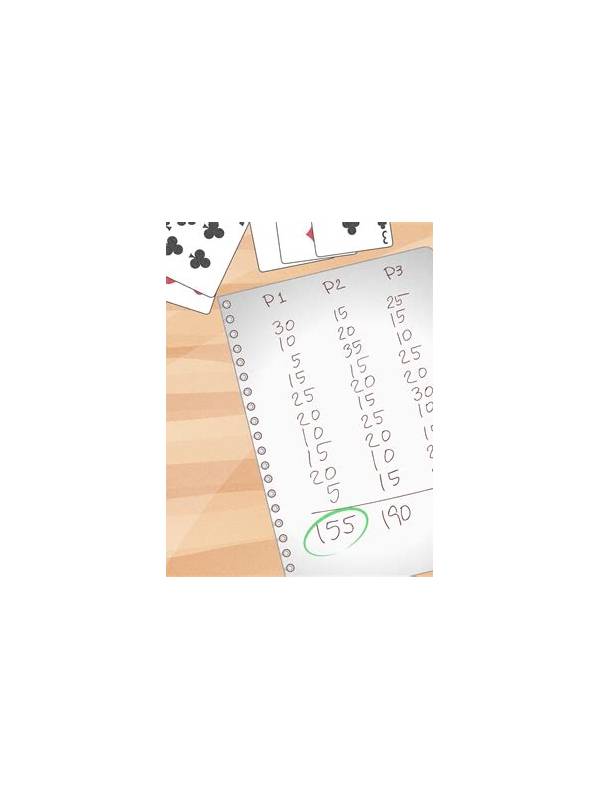
Rummy How-To: Recover From an Unhelpful Opening Hand
An unhelpful opening hand can tempt you into forcing a quick pattern. Recovery begins by accepting that the first arrangement may not be the final one. Instead of protecting every initial pair, use the early turns to gather information and reduce the most expensive uncertainty.
Start with a neutral inventory. Separate confirmed groups, plausible connections, and isolated cards. Do not call a pair “good” simply because it matches by rank or suit. Write down what each unfinished group actually needs. This prevents a vague impression from controlling your next draw.
Choose one temporary priority. You might protect a low-cost sequence route, look for a natural sequence, or reduce a high-value isolated card. A temporary priority is not a permanent plan. It gives the next turn a purpose while leaving room to respond to new information.
After the next meaningful draw, compare the hand with the inventory. Did one group gain a connector? Did a new card create a stronger route? Did the discard pile make a previous hope less realistic? If no route improved, release the weakest cluster rather than adding another possibility. Resetting means removing a poor assumption, not starting from zero after every turn.
Keep the emotional response separate from the tactical response. A weak opening is not evidence that the hand is unwinnable, and a lucky draw is not proof that a forced plan was wise. Focus on improving structure one decision at a time. This routine gives scattered hands a path forward without requiring a perfect first read. Recovery also means protecting information. Avoid discarding a card simply because it is not part of the first pattern you noticed; check whether it is a bridge to a stronger route. At the same time, do not keep every bridge indefinitely. Give each temporary route a clear condition for survival, such as gaining a second connector or completing a group.
If the opening remains poor after several turns, focus on damage control and clean discards. Lowering the value of ungrouped cards may be more realistic than forcing a full transformation. A disciplined recovery can still produce a better result even when the original hand offered little cooperation. Do not confuse recovery with chasing. If several draws fail, increasing risk or spending to compensate does not improve the structure of the hand. Keep the same decision standards, take the result as information, and leave the table if frustration begins to control the next choice.
Related Post
Rummy Safety: Check Payment Confirmations Before Continuing
Pause after a payment event and verify the official status instead of trusting an unfamiliar [...]
Rummy FAQ: Can a Low-Point Card Still Be a Bad Keep?
Low points reduce risk, but they do not make a card valuable when it has [...]