Rummy FAQ: When Does Sorting Become Avoidance?
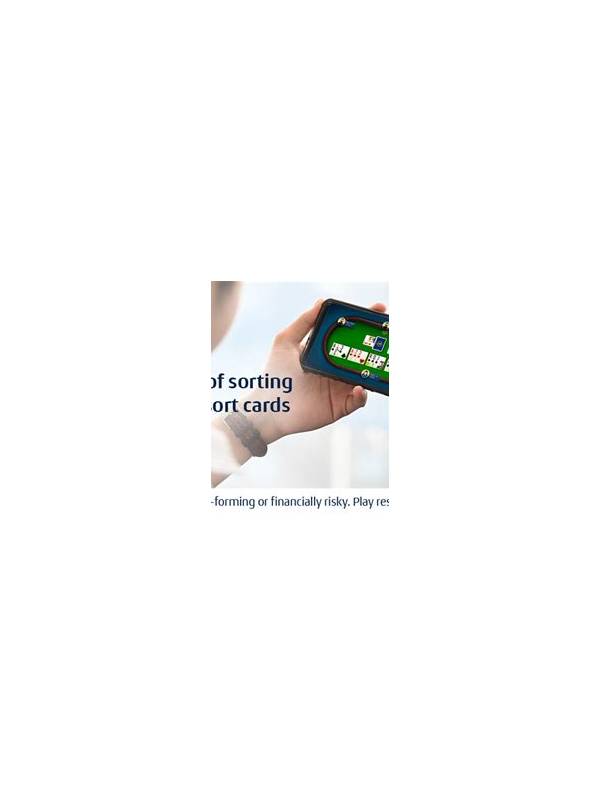
Rearranging a hand is useful when it reveals a group you had missed or compares two realistic routes. It becomes unhelpful when the same cards move repeatedly without new information. The point of sorting is to improve a decision, not to postpone one.
Set a clear purpose before you rearrange. You might be checking whether a card belongs to a sequence, separating confirmed groups from fragments, or comparing a set route with a sequence route. If you cannot name the question, pause. The hand may already be visible enough for the next action.
Use a small limit, such as two arrangements. In the first, group by suit and sequence potential. In the second, group by rank and set potential. Compare what each view reveals. If one route is clearly stronger, stop sorting and identify the weakest remaining card. If the routes are close, use timing, point value, and discard safety to break the tie.
Avoid moving confirmed groups unless a new card genuinely changes their role. Constantly disturbing a finished structure can make you doubt progress that is already secure. Focus rearranging on shared cards and unfinished clusters, where the information value is higher.
Finally, remember that a decision can be imperfect and still be timely. No arrangement can guarantee the next draw. Once you have identified the strongest available plan and a reasonable discard, act. Stopping is part of the skill: clarity has done its job when it leads to a deliberate choice. One sign that rearranging has become avoidance is that the same discard candidates remain after several layouts. At that point, the arrangement is not the problem. Choose between the candidates using a simple tie-breaker: immediate structure, future connections, point exposure, and safety in that order. You can revisit the broader plan after the next draw.
If you often lose track while sorting, use physical markers or consistent screen positions for confirmed groups. A stable layout reduces the mental cost of checking the hand. The aim is not to sort quickly for its own sake; it is to stop at the moment when further movement adds no useful information. A useful stopping signal is that you can name the best discard, the reason it is weakest, and the risk you accept by releasing it. You do not need perfect certainty. Once these three points are clear, another rearrangement is unlikely to improve the decision enough to justify delaying the action.
Related Post
Rummy App Permission Review: What Access Should Be Necessary
Rummy App Permission Review: What Access Should Be Necessary offers practical guidance for clearer, safer, [...]
Rummy Account Security: A Routine for Safer Sign-Ins
A few ordinary sign-in habits can reduce account security risks when using an online rummy [...]