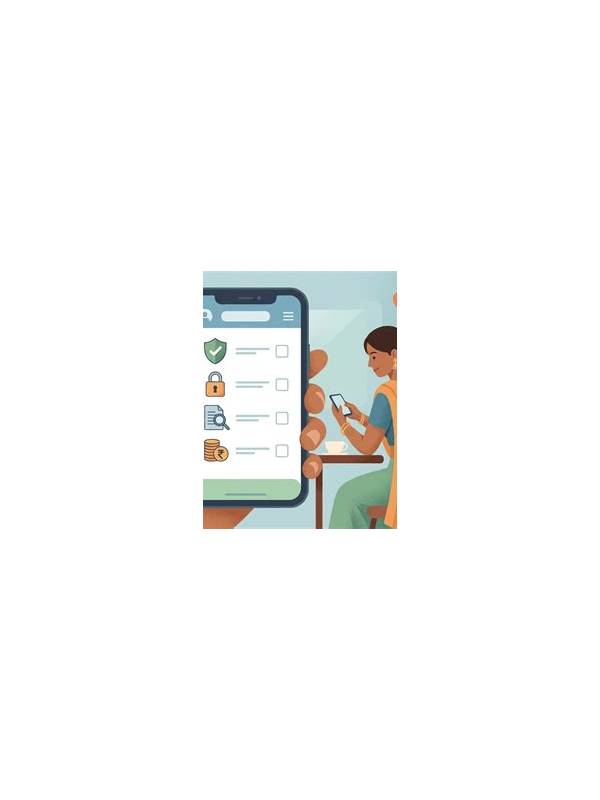
Rummy How-To: Use a Reversible Plan for the Opening Hand
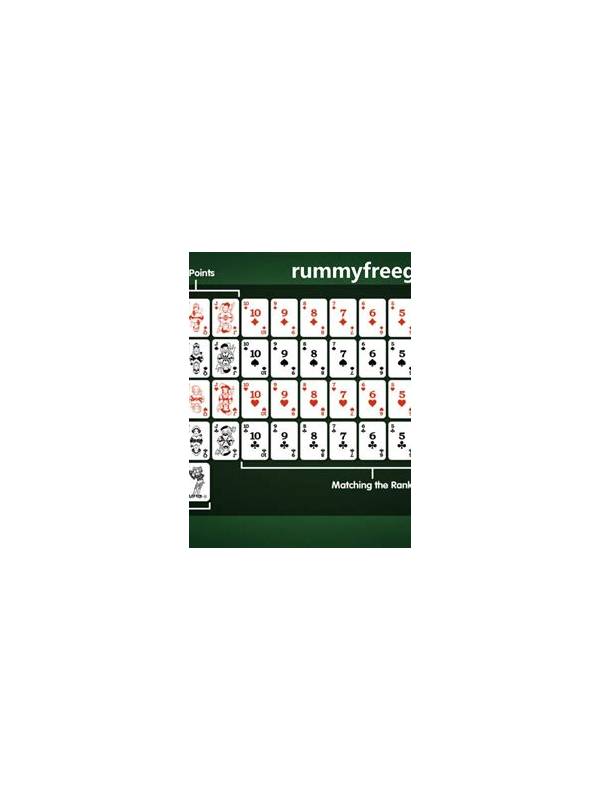
The opening hand contains the most uncertainty. You may see pairs, neighboring cards, and a joker, but you do not yet know which route will receive support. A reversible plan gives your cards temporary jobs while leaving room to change direction after new information arrives.
Begin with a neutral sort. Group cards by suit and rank relationships, but do not declare one arrangement to be final. Mark obvious relationships with light labels such as “possible run,” “possible set,” or “loose.” The purpose is to see the hand clearly, not to defend the first pattern you notice.
Choose one primary idea and one backup idea. The primary idea should have a reasonable number of improvements and should not depend on one exact card unless the rules or hand make that risk acceptable. The backup does not need to be equally strong. It only needs to keep a few cards from becoming stranded if the primary plan fails.
Set a review point before the next few turns. At that point, check whether the primary plan gained support, whether its needed cards remain plausible, and whether the backup has become stronger. A review point prevents a vague feeling of commitment from deciding the whole hand. It also makes abandoning a plan feel like a planned update rather than a mistake.
When drawing, prefer information that tests your assumptions. A card from the open pile may confirm a visible route, while a closed draw may preserve privacy and reveal something new. Whatever the source, ask what the card changes. If it improves one group but harms two others, the improvement is not automatically positive.
Keep the plan reversible by avoiding unnecessary commitments. Do not hold a high-value card only because it fits an attractive but narrow pattern. Do not use a flexible card in the first group that can accept an easier substitute. Preserve at least one route that can be adjusted after the next draw.
At the end of the hand, review the opening decision separately from later luck. Did the labels describe genuine routes? Was the review point early enough? Did you keep a backup for a reason, or simply avoid discarding anything? These questions help you build a flexible opening routine that works across different hands and formats.
A reversible plan is particularly valuable for beginners because it creates room to learn without making every early choice feel permanent.
Review it after each meaningful draw.
Related Post
Rummy Tips: Make a Backup Arrangement Early
Keep one secondary route visible so a failed primary plan does not leave the hand [...]
Rummy FAQ: Can a Discard Be Good Even If It Helps Someone?
A discard can be reasonable even when it carries some risk, because every choice balances [...]