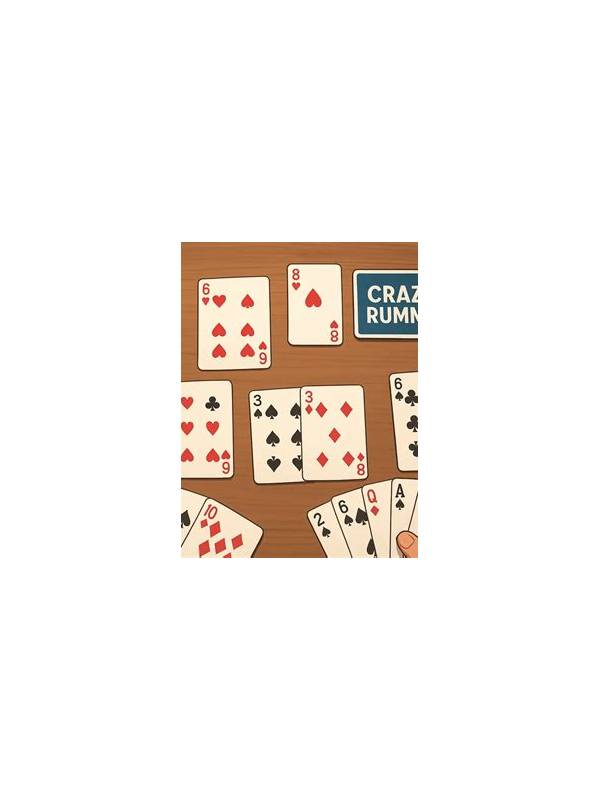
Rummy Safety: Set a Clear Spending and Time Boundary
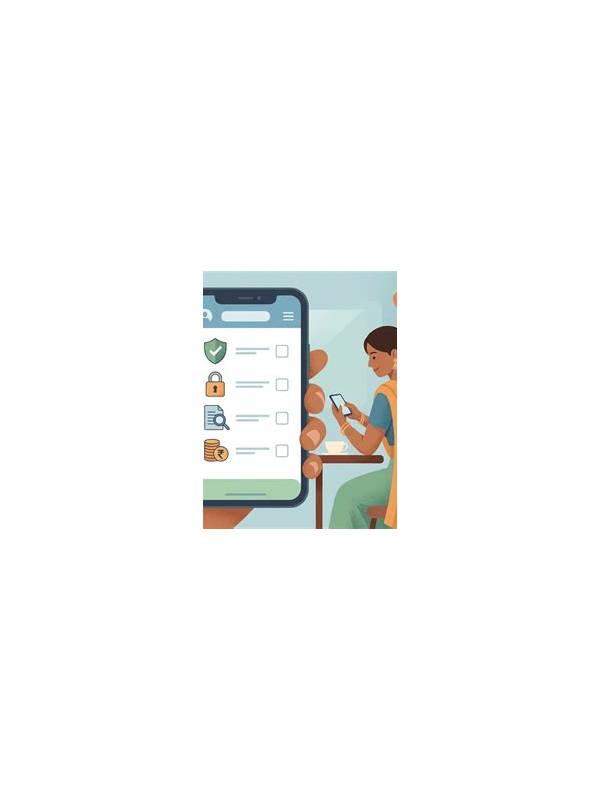
A safe rummy session begins before the first hand. When money or extended screen time is involved, decide your boundaries in advance and treat them as part of the session rules. Decisions made after a win or loss are more likely to be affected by emotion, so planning early provides useful protection.
Set a spending limit that represents entertainment money you can afford to lose completely. Do not use funds reserved for rent, bills, debt payments, food, or essential savings. If a platform offers deposits, entries, or other paid features, understand which action uses money before confirming it. A clear limit is meaningful only if you can see your balance and stop when it is reached.
Choose a time boundary as well. A session can feel short while attention is absorbed, and fatigue often makes judgment worse. Pick an end time or a maximum number of hands, then use a timer if necessary. Schedule a short break during longer play. Stand up, drink water, and check whether you still want to continue rather than assuming the next hand is automatic.
Write down a stop rule for emotional situations. Examples include stopping after a predetermined loss, stopping when you feel an urge to chase losses, or stopping when you are too tired to follow your normal decisions. These rules are not judgments about skill. They are practical safeguards against making a larger commitment to recover a previous result.
Protect your account and device at the same time. Use a personal device, a strong unique password, and official account recovery options. Avoid installing files from unknown links or entering payment information into pages whose address and security you cannot verify. Never share one-time codes or login details with another person.
A boundary should be easy to check. Before playing, note the starting balance and end time. During the session, review both at the break. If the limit has been reached, stop without negotiating with yourself. If you frequently find it difficult to follow your own boundaries, take a longer break and seek support from a trusted person or a local responsible-gambling service.
The goal is a controlled, optional activity. Winning does not require raising the limit, and losing does not create a debt that another hand must repay. A simple spending and time plan keeps the session aligned with that principle. If you play socially, tell a trusted person what boundary you are using and when the session will end. Accountability can make a private intention easier to follow. A platform’s limit tools are helpful, but they do not replace your own decision to stop or your responsibility to protect essential finances.
Related Post

Rummy Rules for Sharing a Physical Deck at Home
Agreeing on handling, scoring, and turn procedures makes a casual home rummy game smoother. [...]
Rummy FAQ: Why Does a Backup Plan Need Its Own Discard?
Discover how a backup plan can remain useful without keeping every card for every possibility. [...]